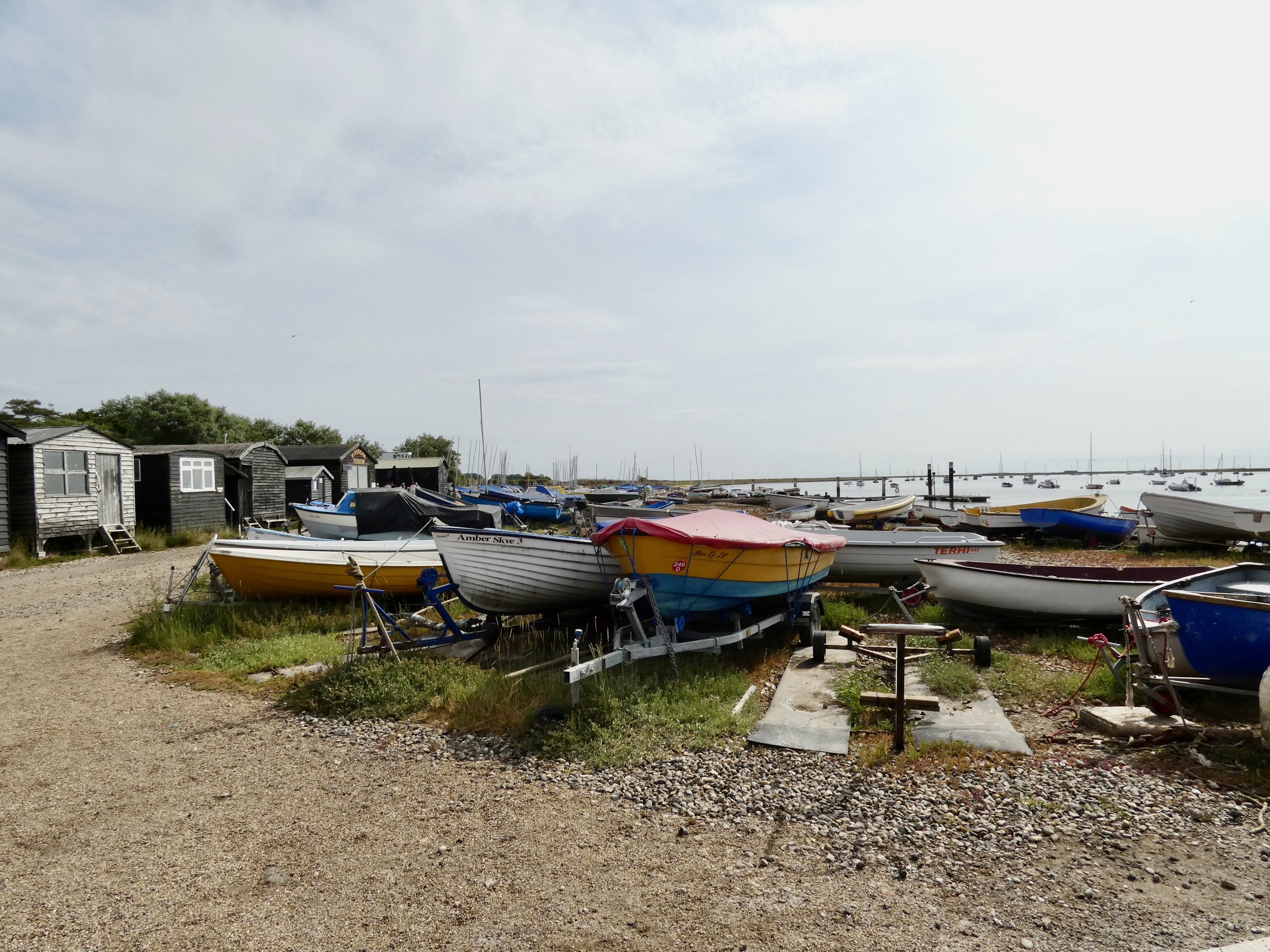
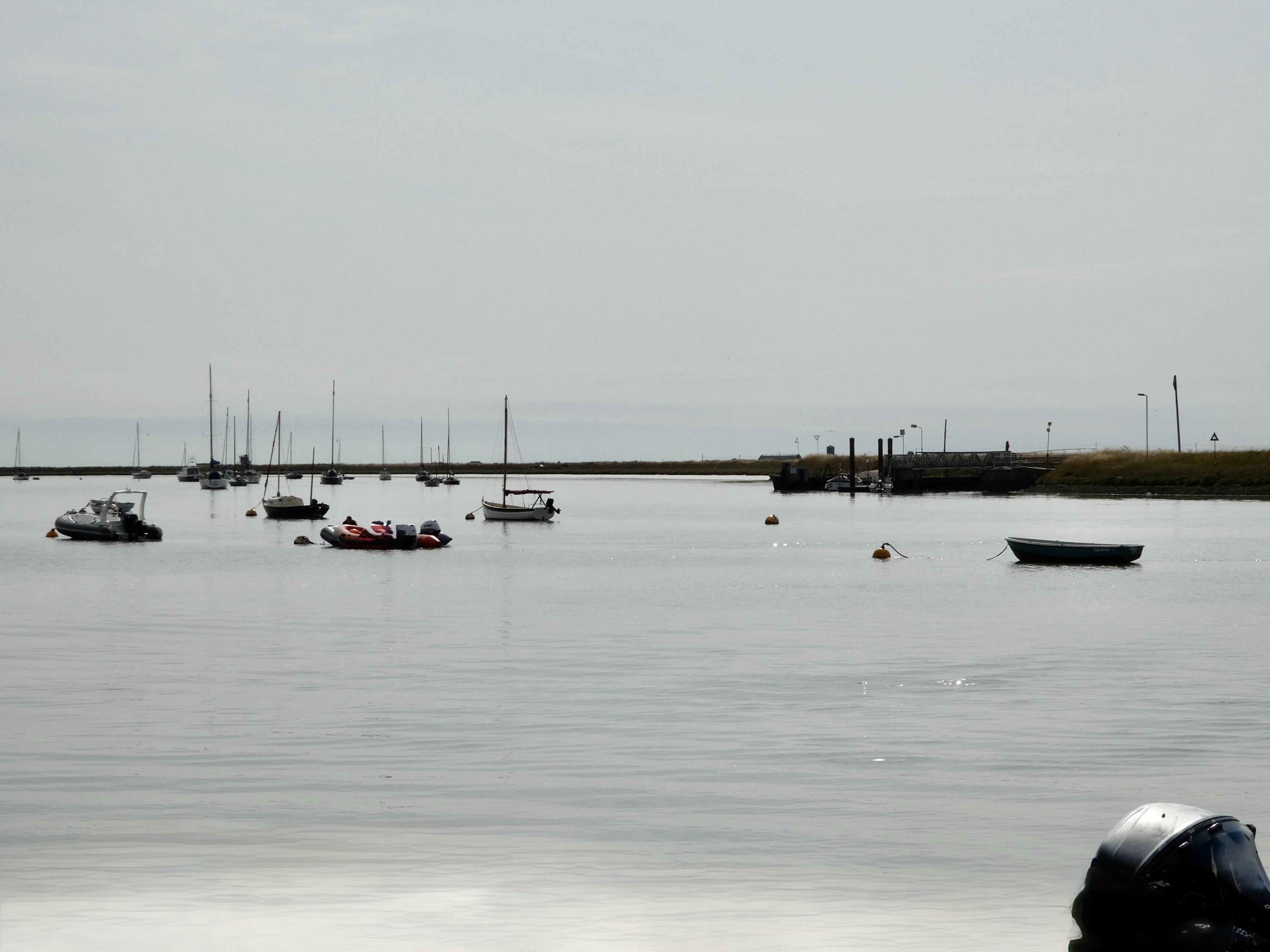
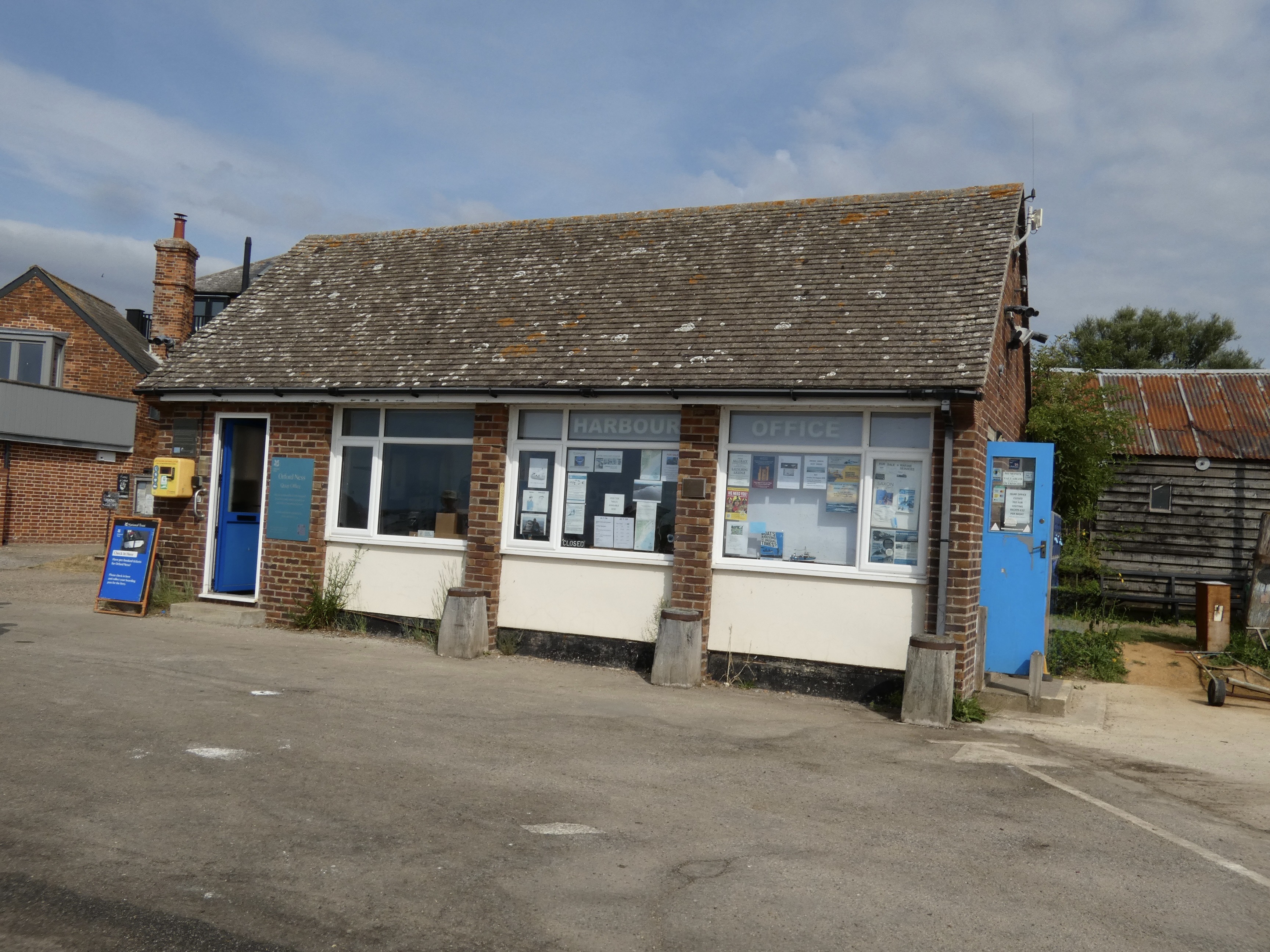
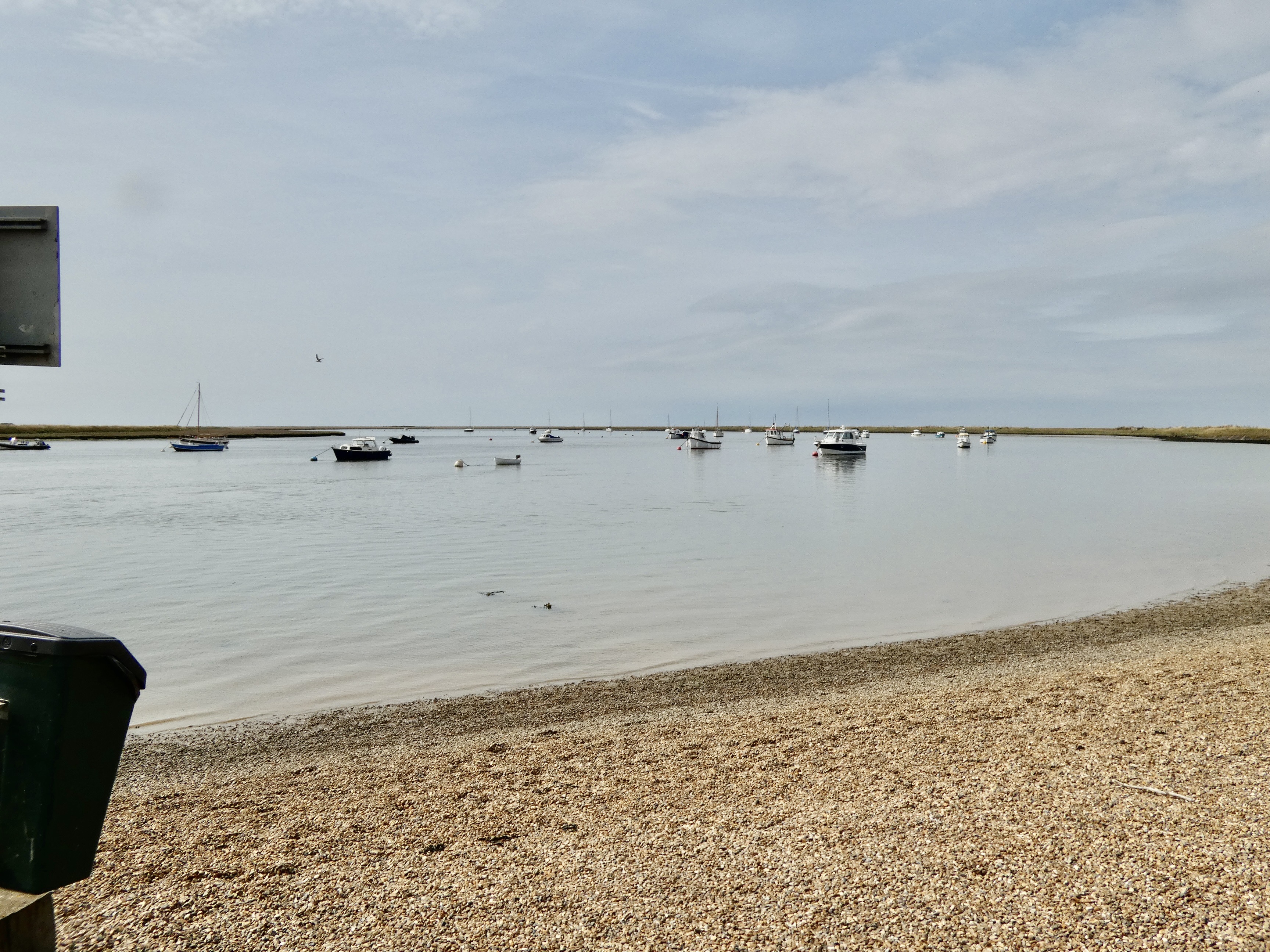
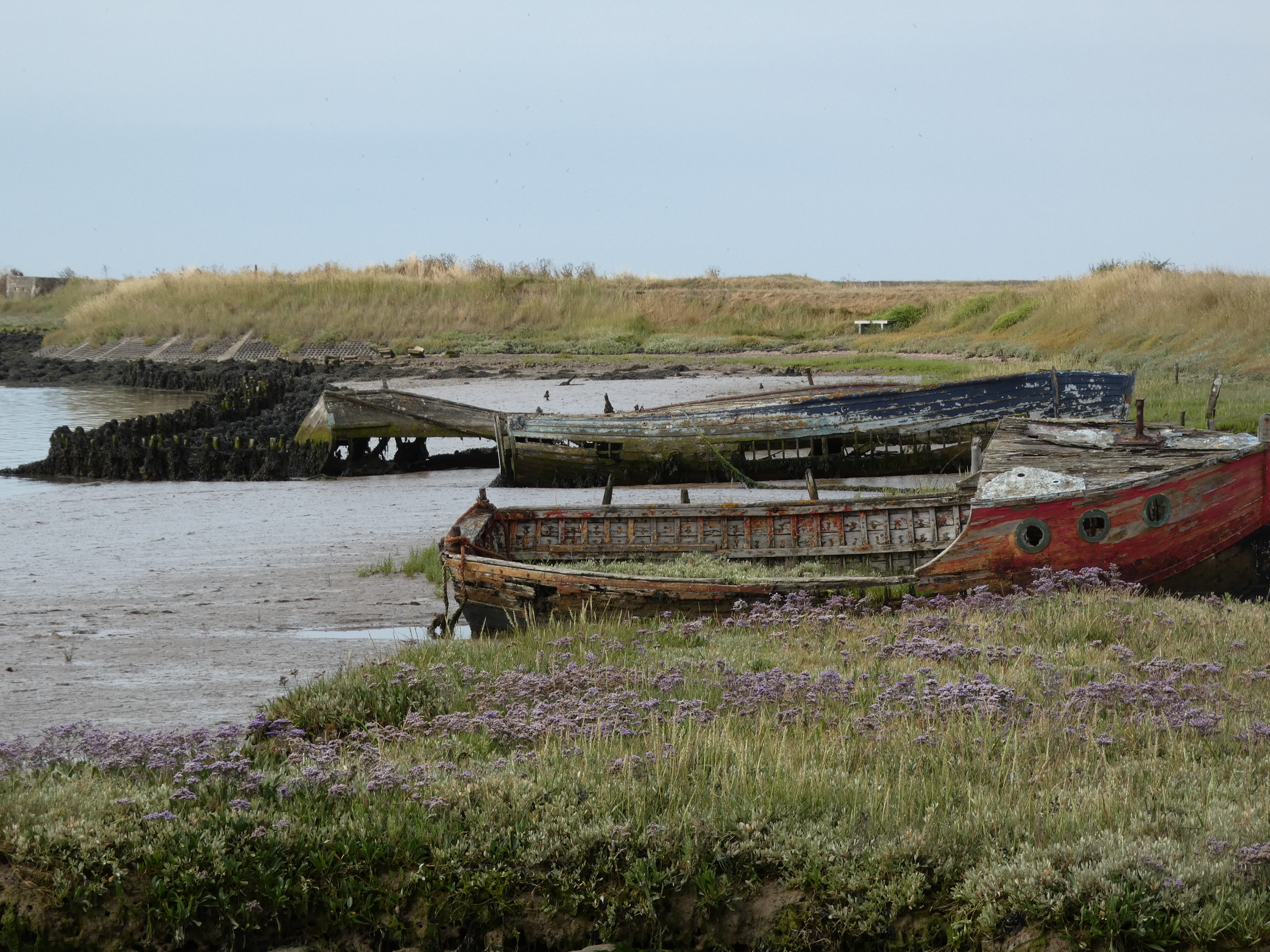
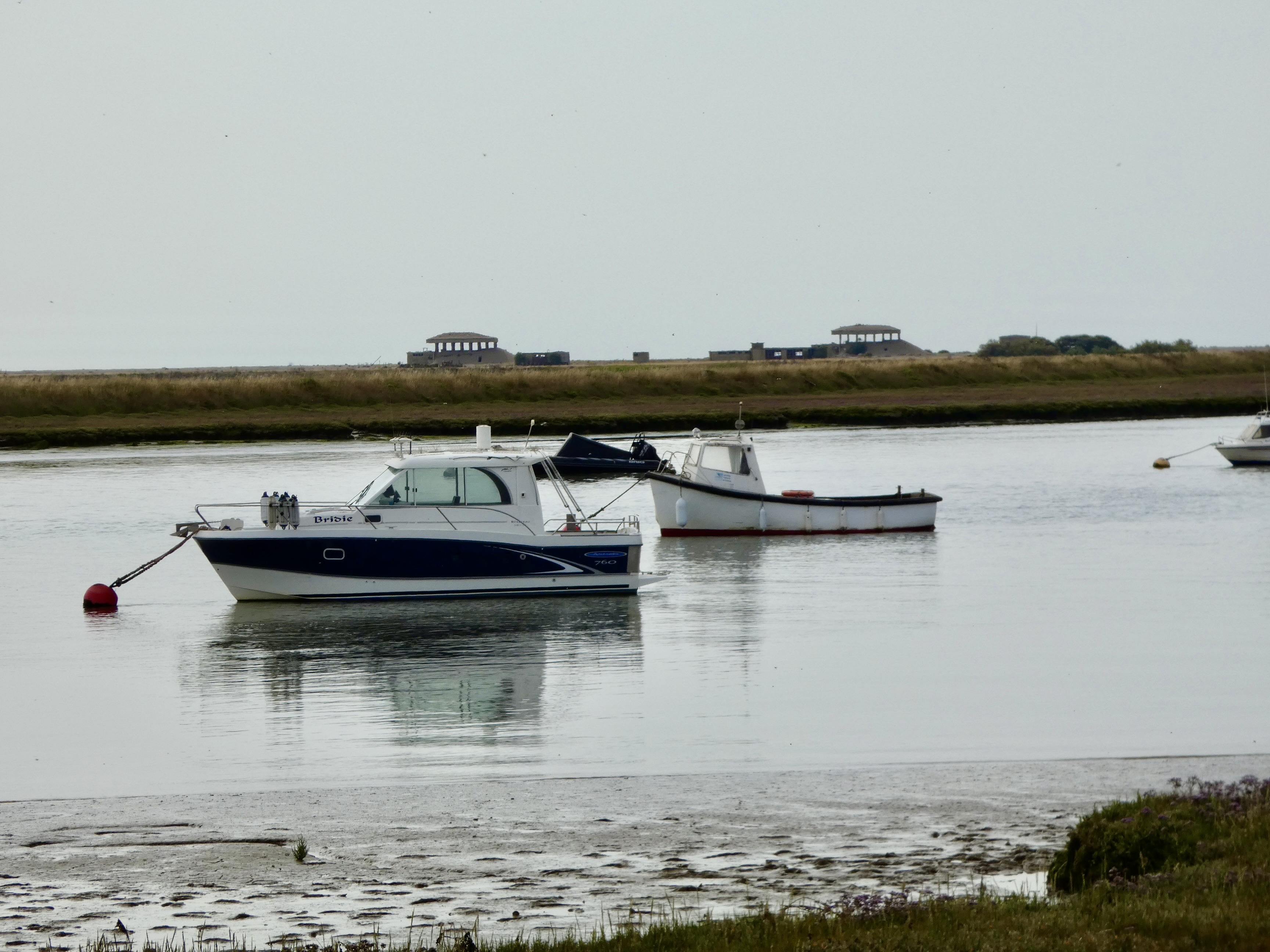
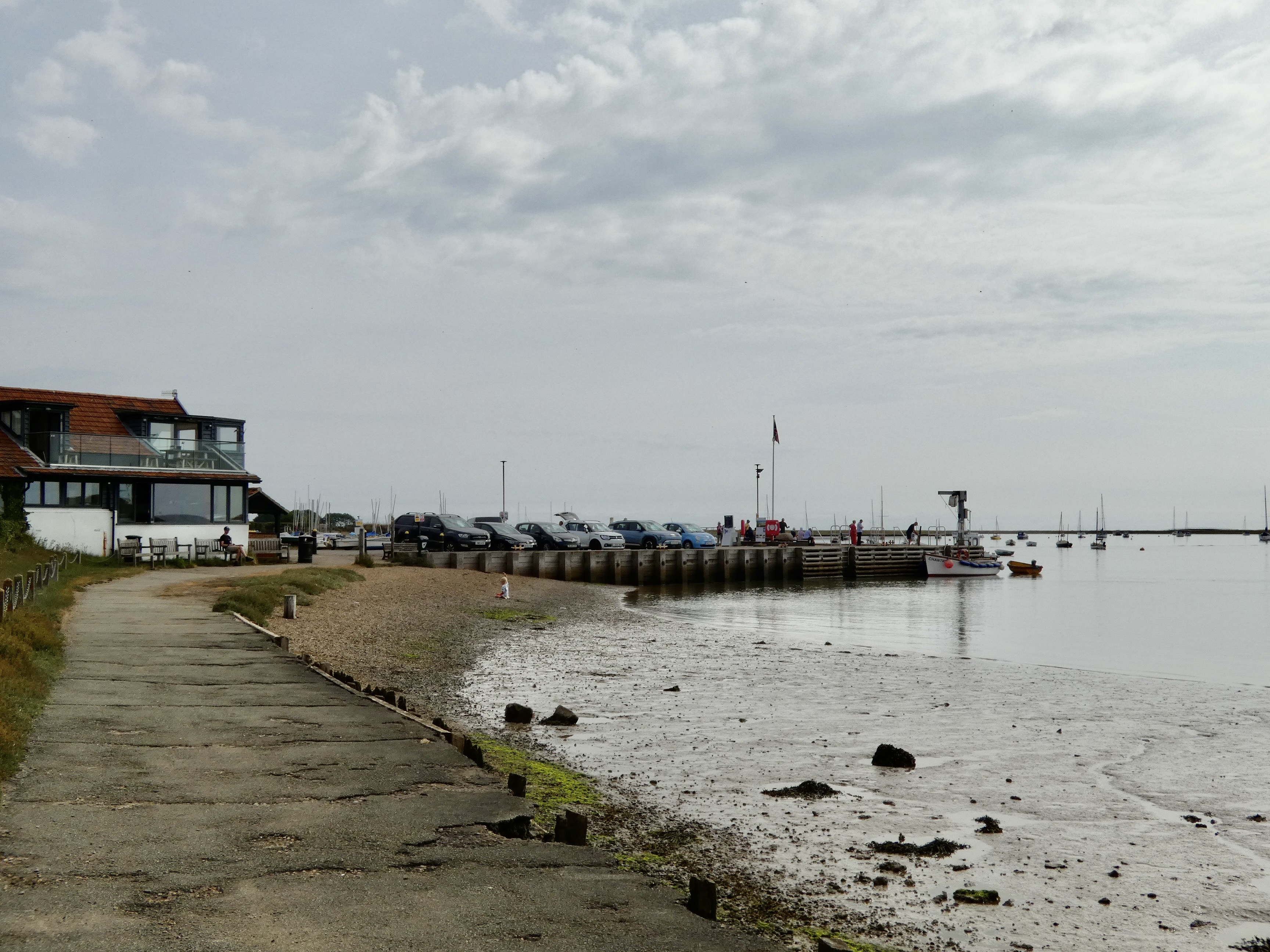
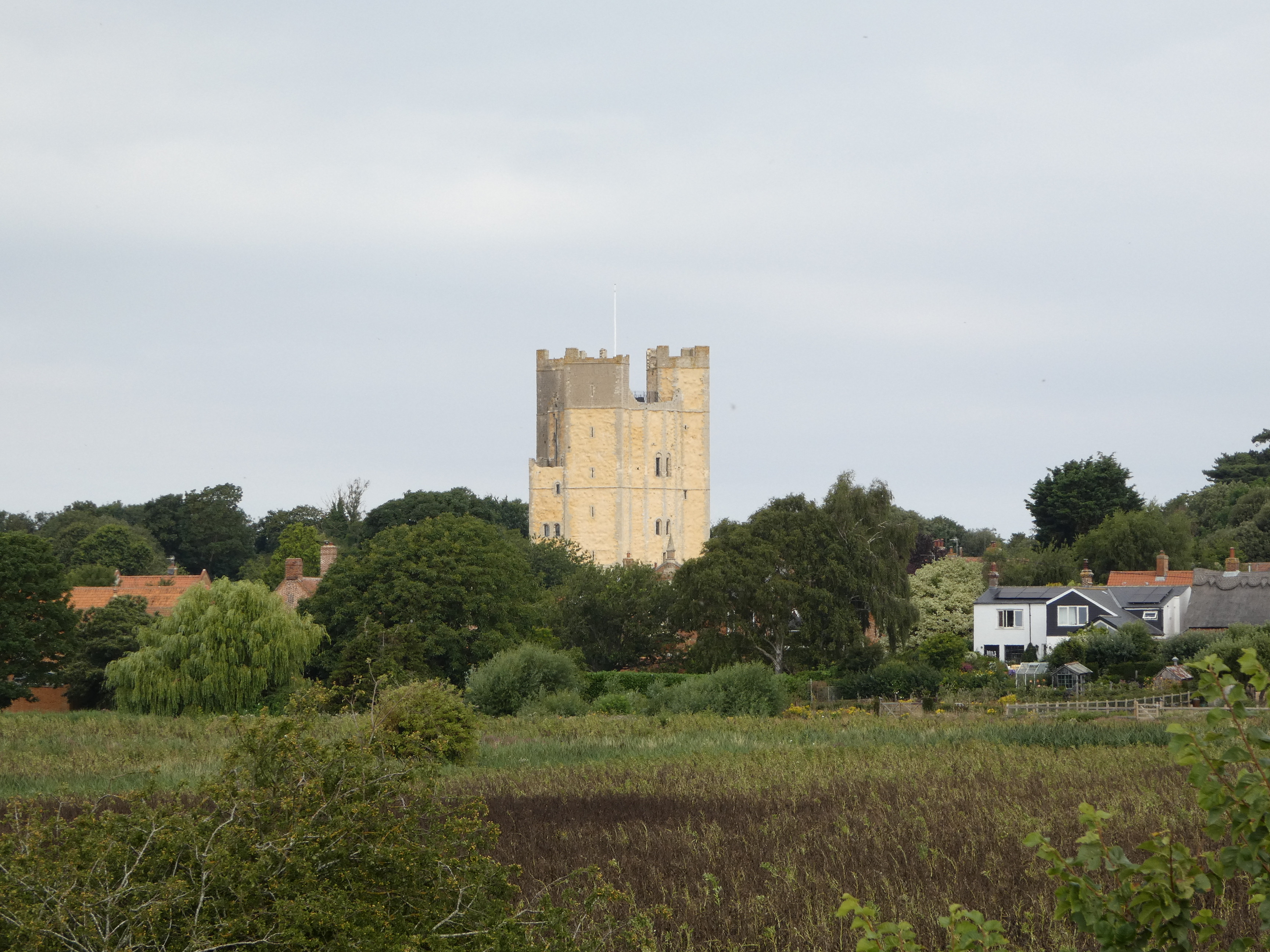
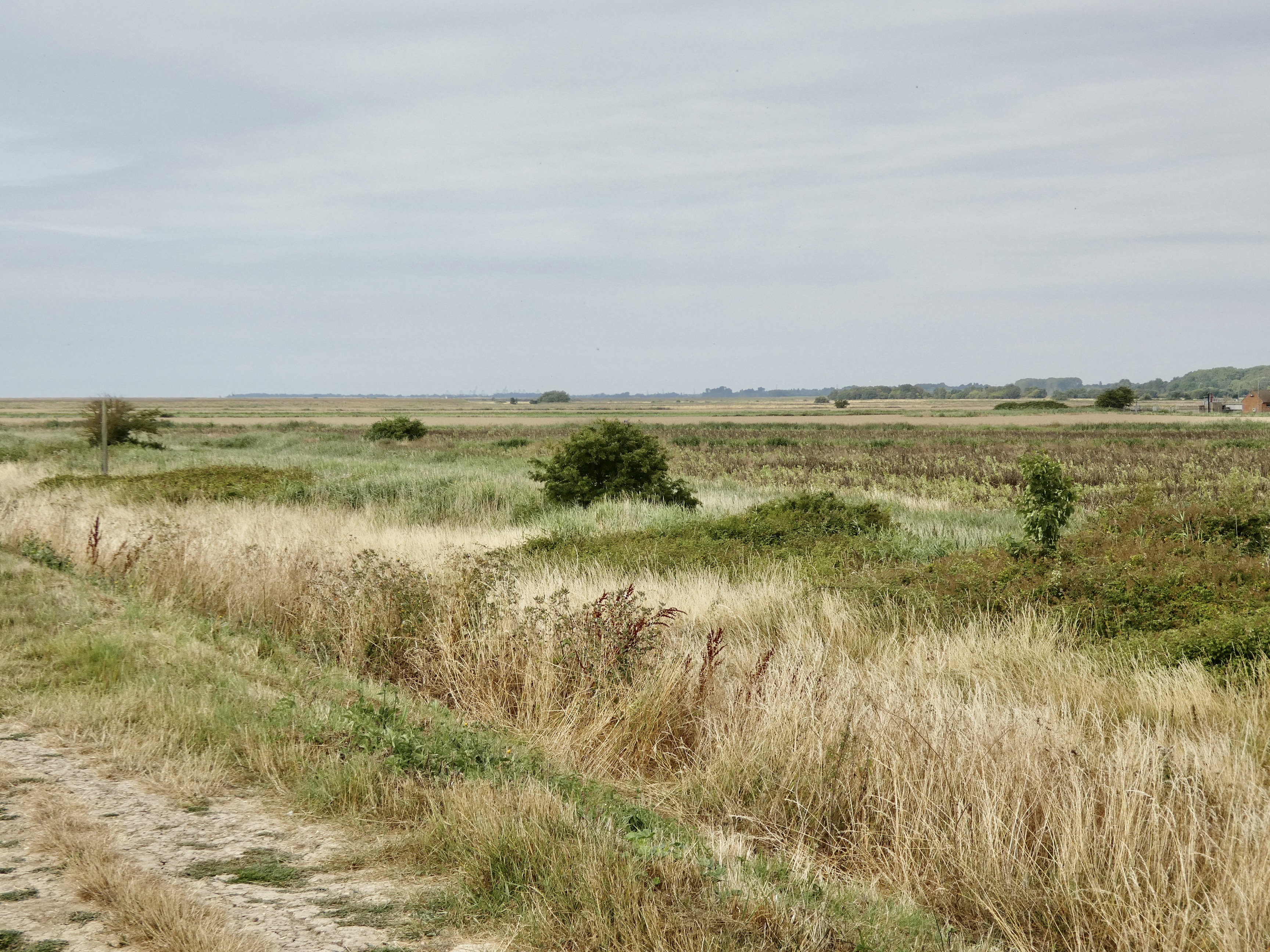
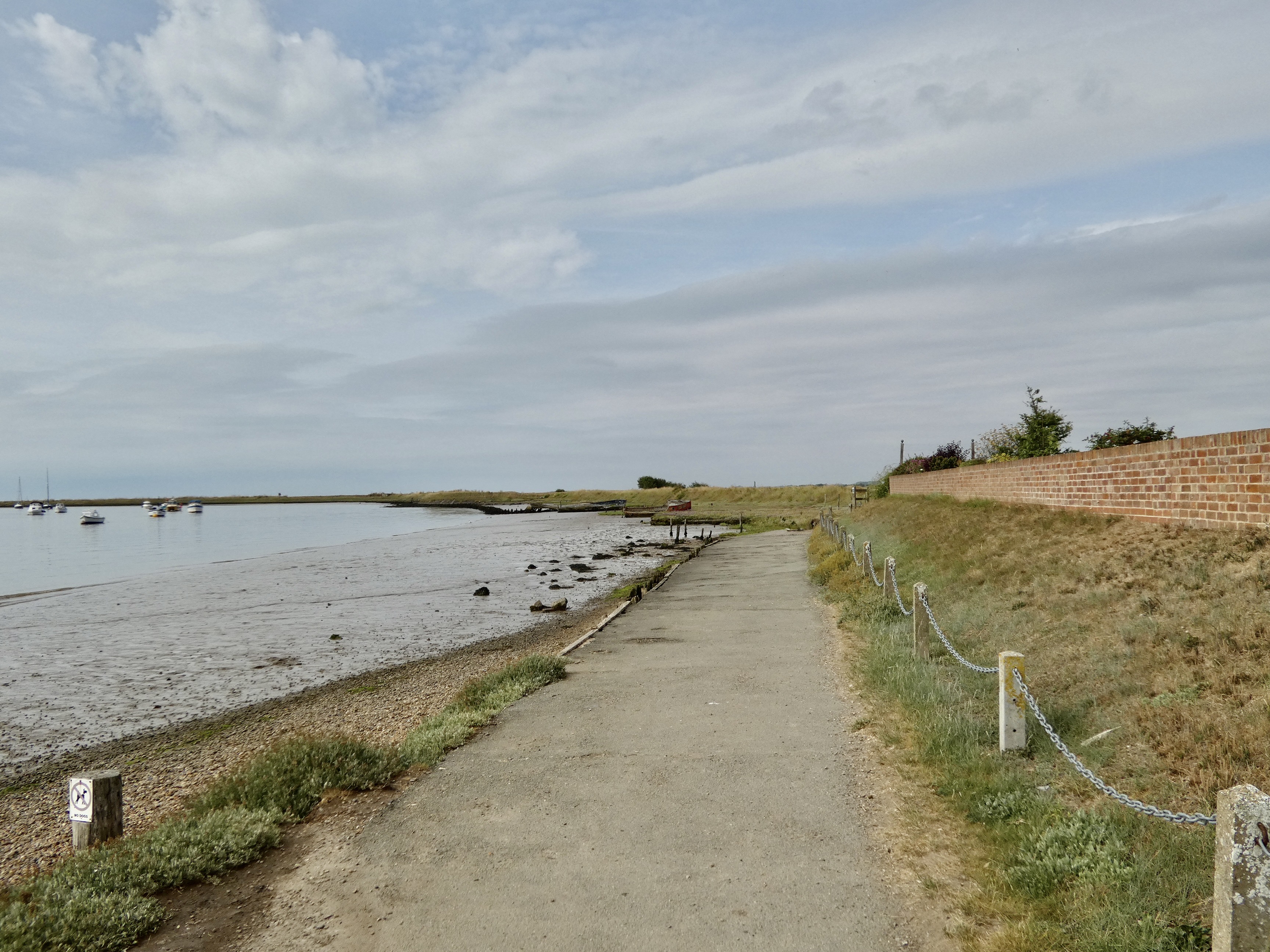
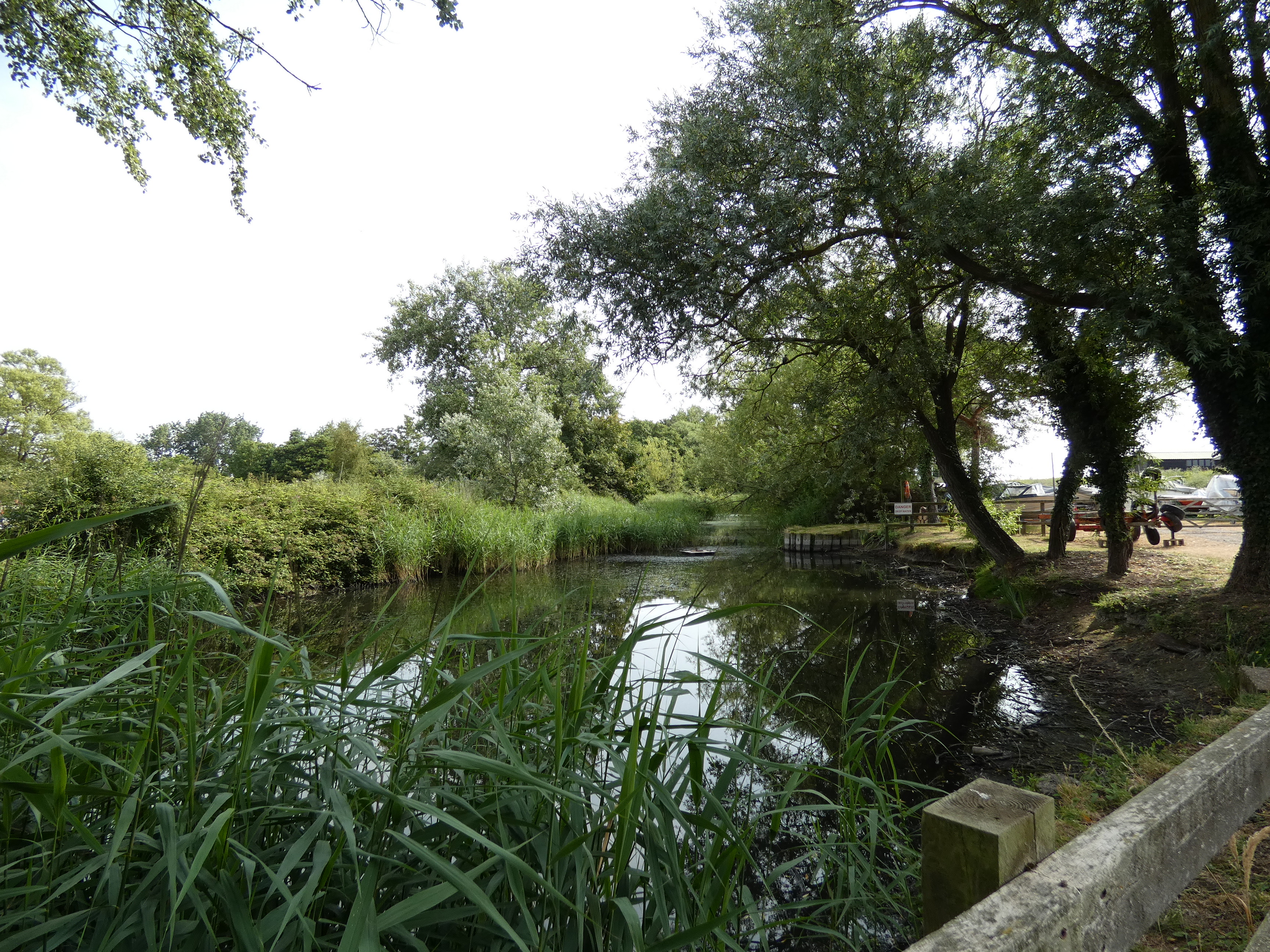
Orford is a lovely fishing village on the coast. The village centre is set back from the harbour and quay and reached by going down Quay Street. From the quay you can travel by National Trust ferry to Orford Ness National Nature Reserve. More information about Orford Ness and other links can be found at visit east england. We decided to just visit the harbour and quay and not the village on this occasion.
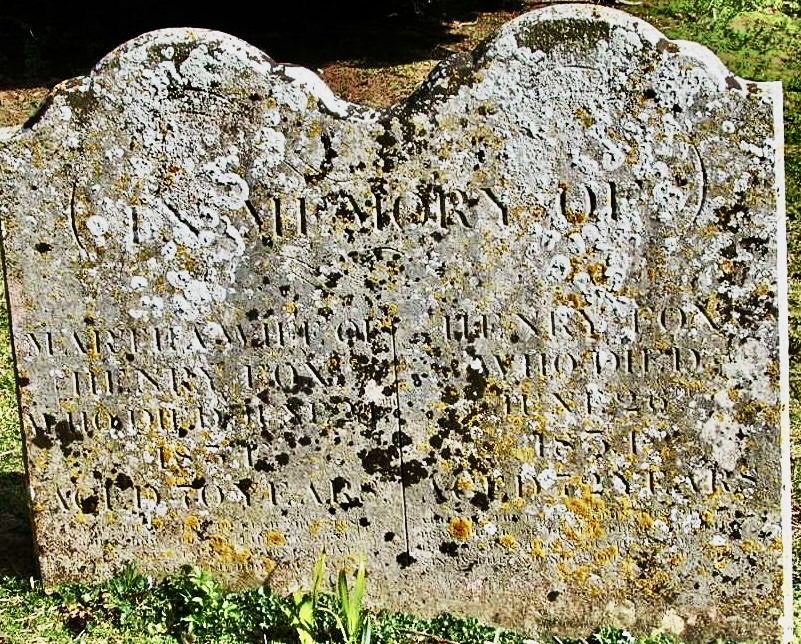
We went to Chillesford to visit the church and graveyard. My 5x Great Grandparents lived here all their married life. He was Henry Fox and was born in 1756 in Levington, Suffolk and his wife was Martha Bantoft, born in 1762 in Trimley St Martin, Suffolk. They married in 1785 in Levington and by 1787, the birth of their son John, had moved to Chillesford. Henry was a farm labourer and his brother and some of Martha’s relatives were living just down the road in Butley so this may have been why they moved. They had six children, John, Martha, Henry, Mary, John (the first John having died in 1796, Sarah and William. Henry and Martha both died within days of each other in June 1834 and were buried on the same day 28 June in St Peter’s churchyard.
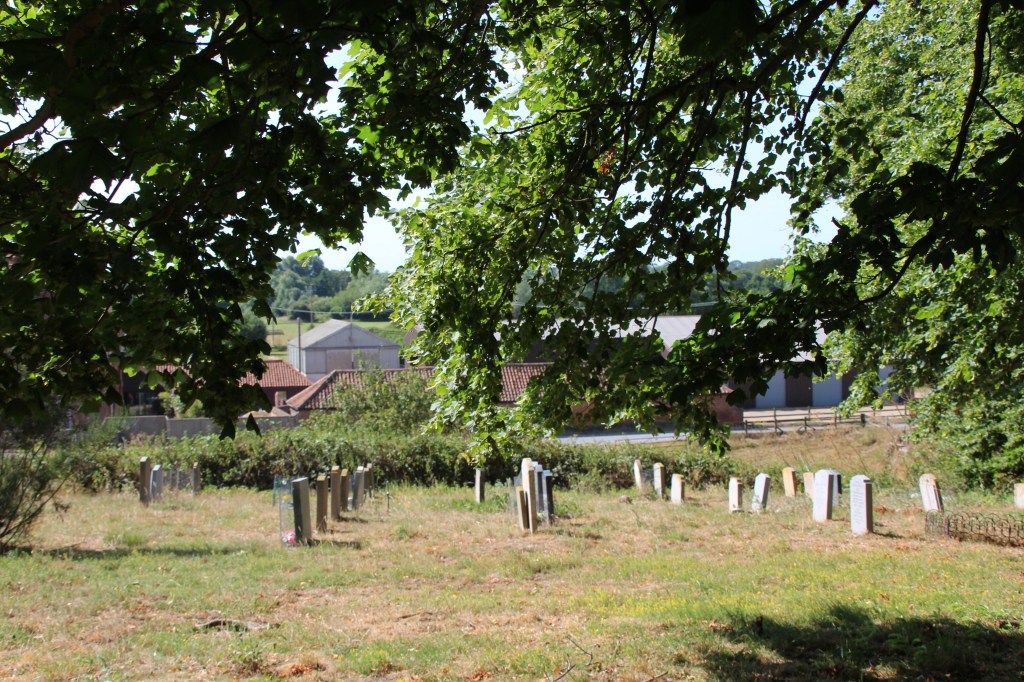
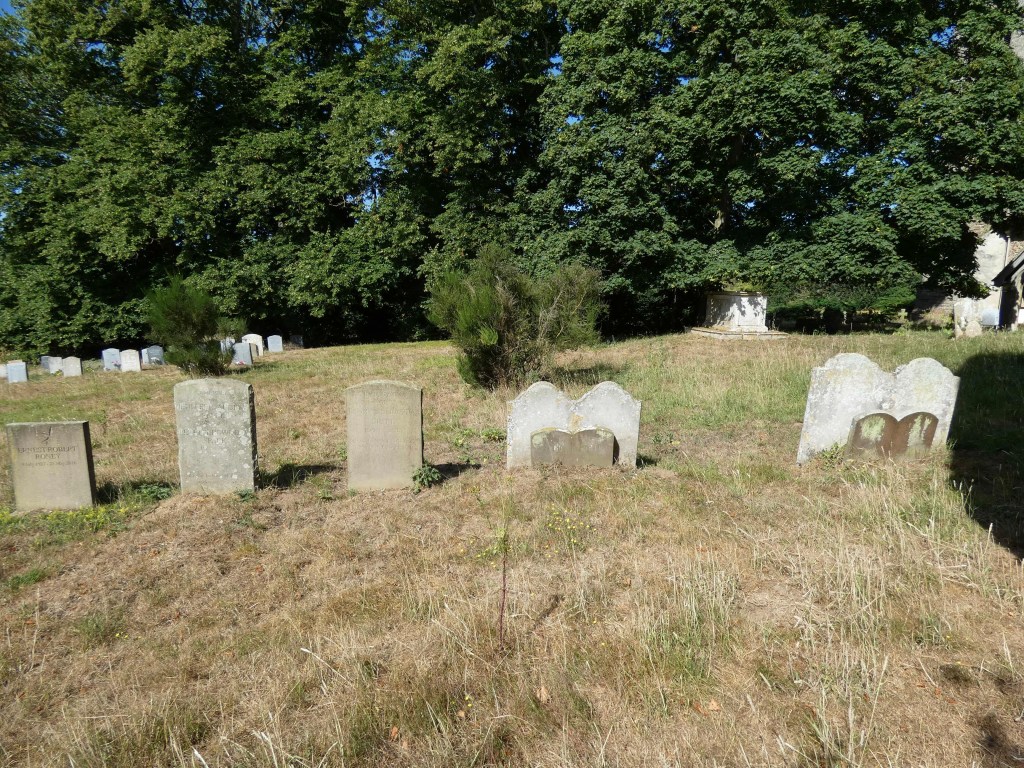
When we went to Suffolk, a few years ago, we went to St Peter’s church and found that a lot of the graves were not there anymore. But, very surprisingly, we found Henry and Martha
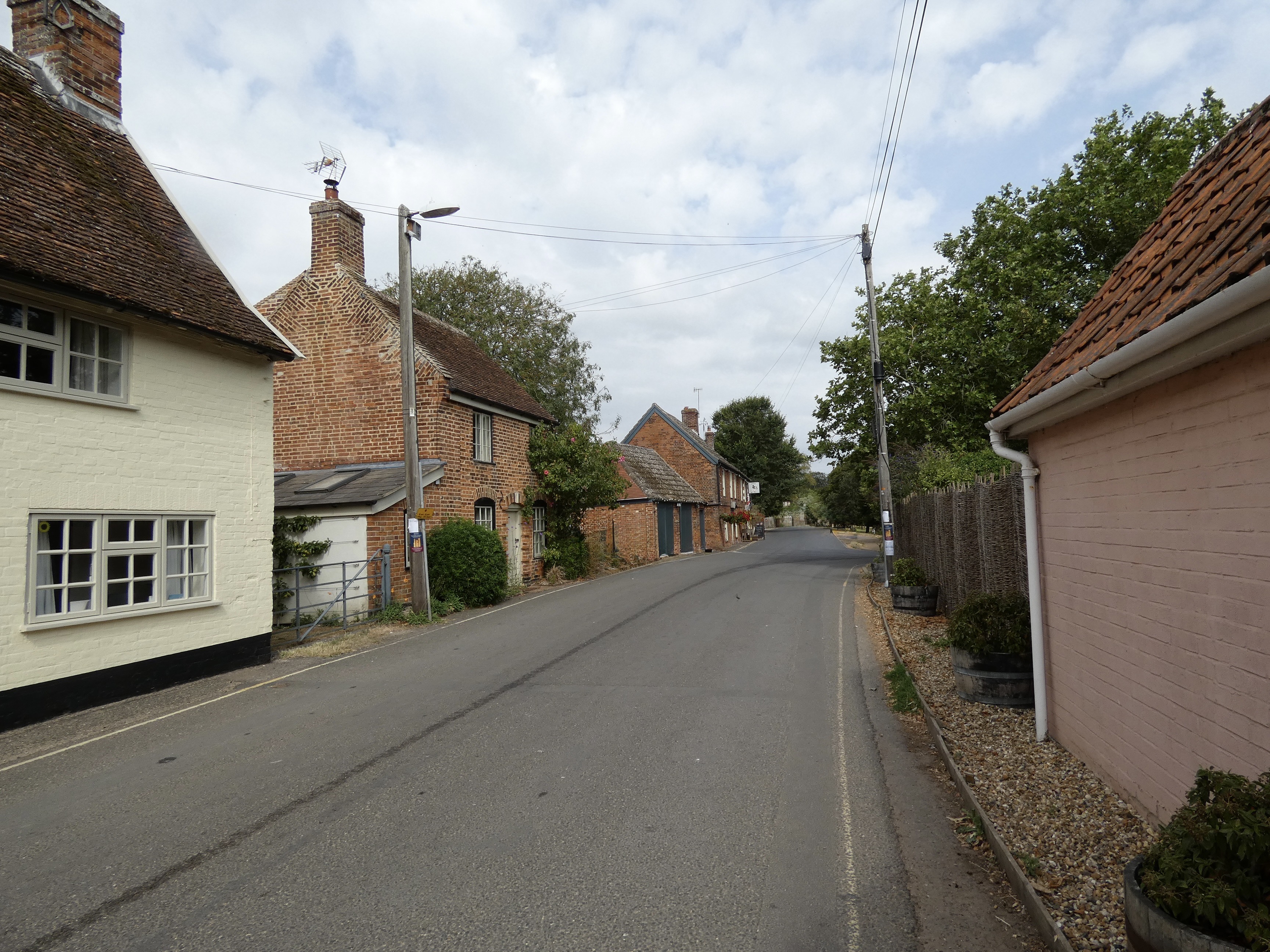
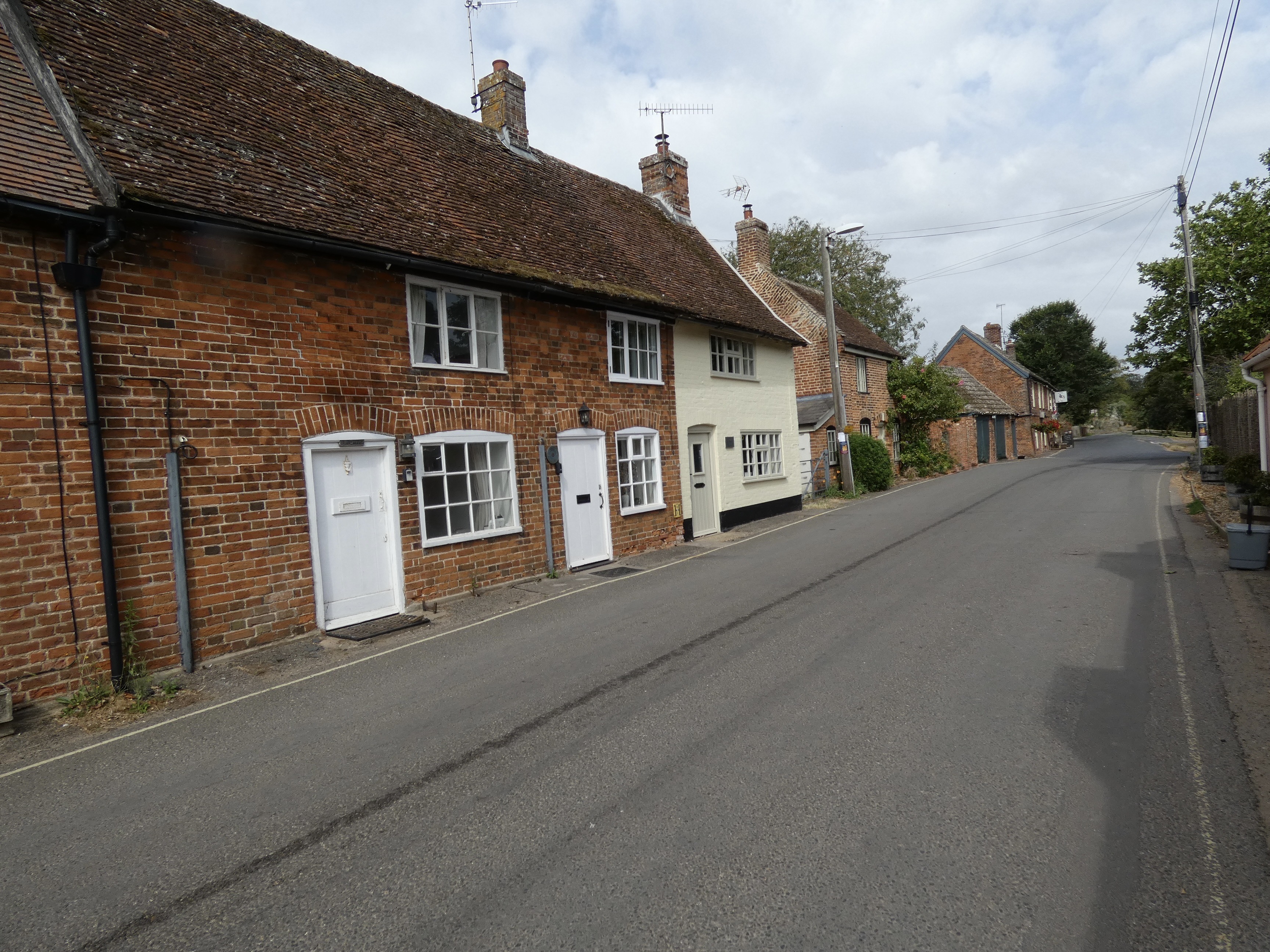
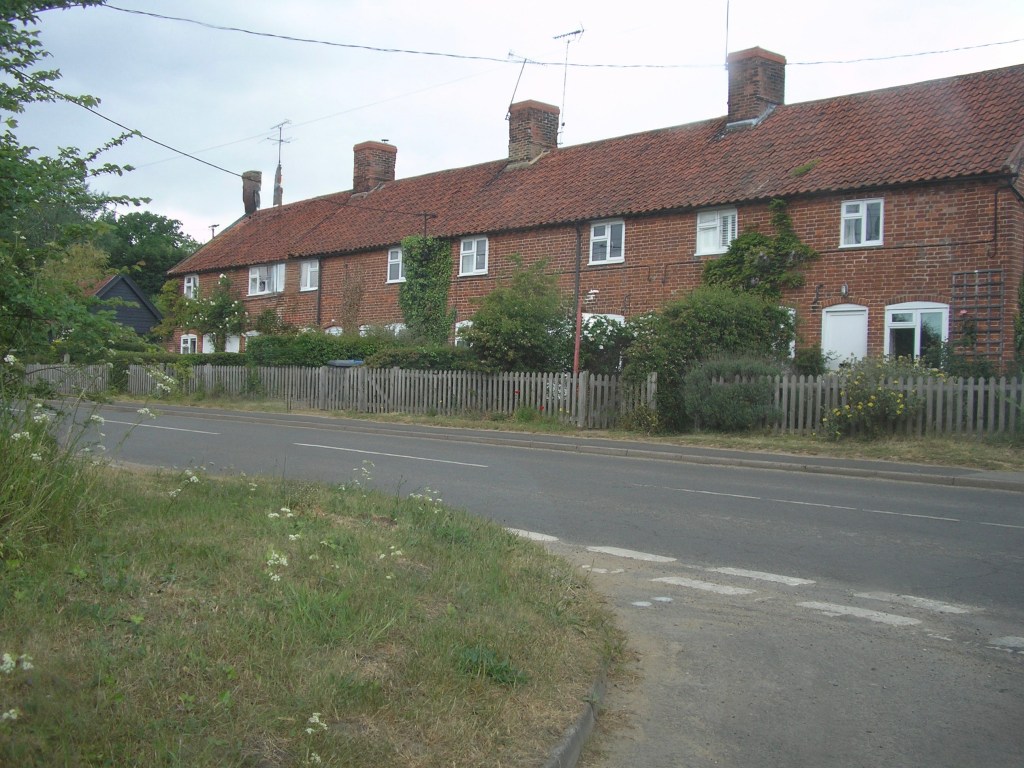
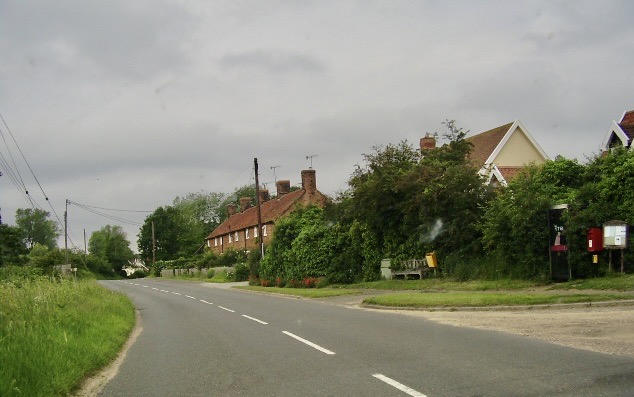
Henry and Martha lived in cottages in The Street. Some photos of the Street below. I will go into more detail about their family another time in the Family History Articles Section.
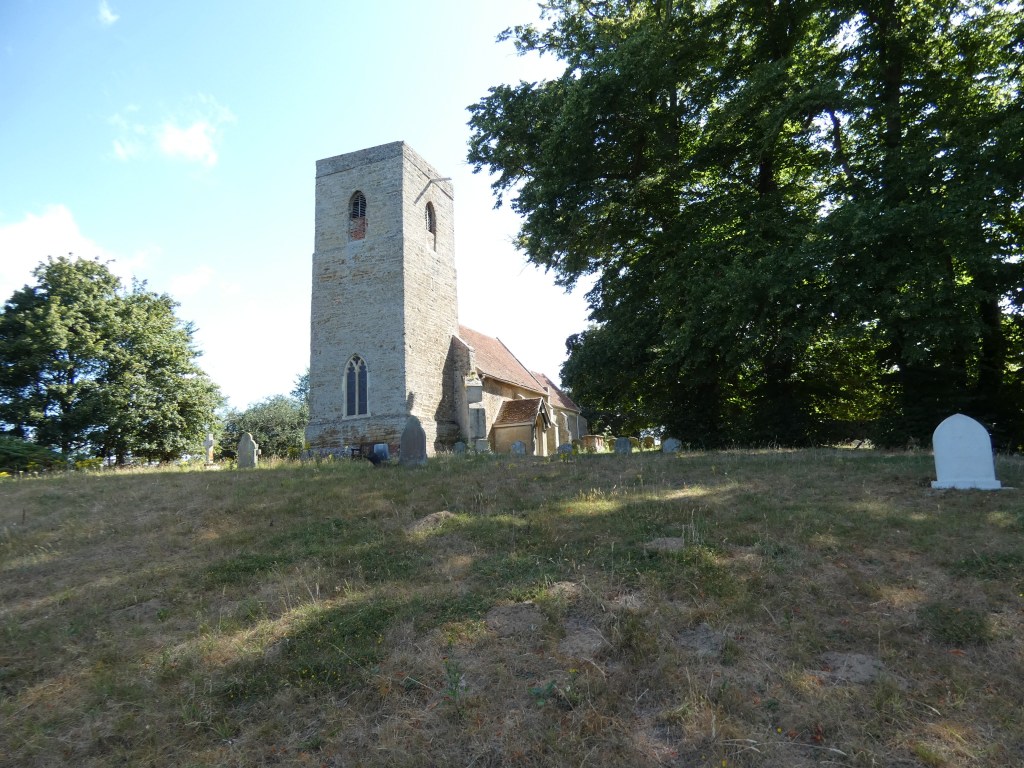
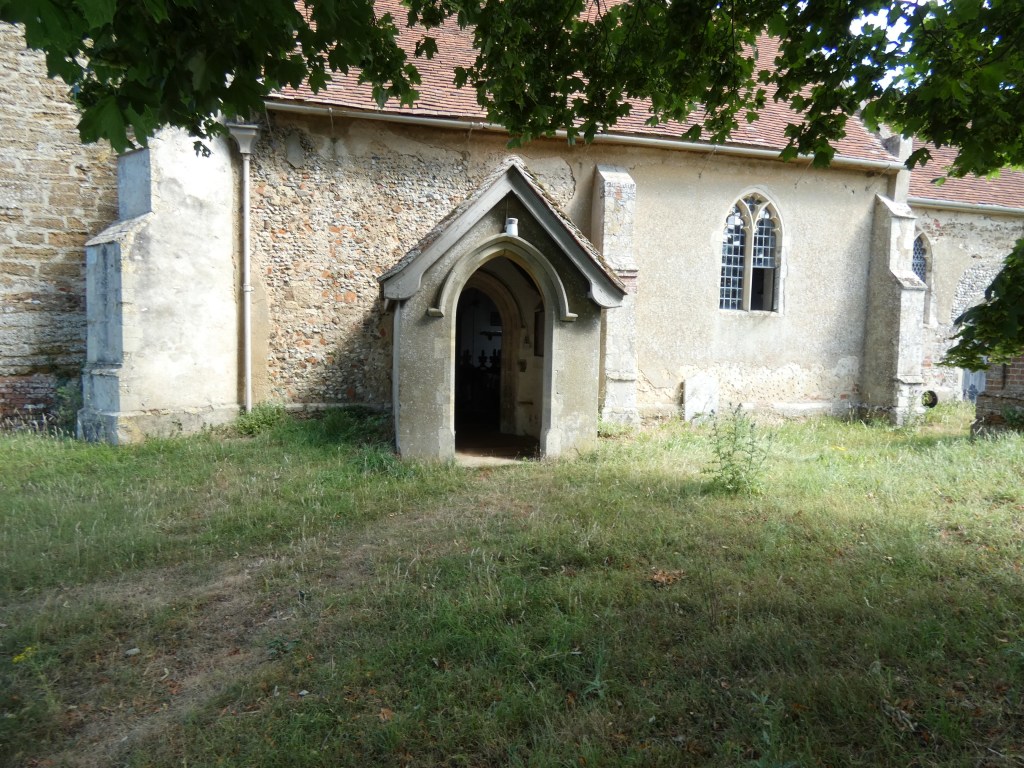
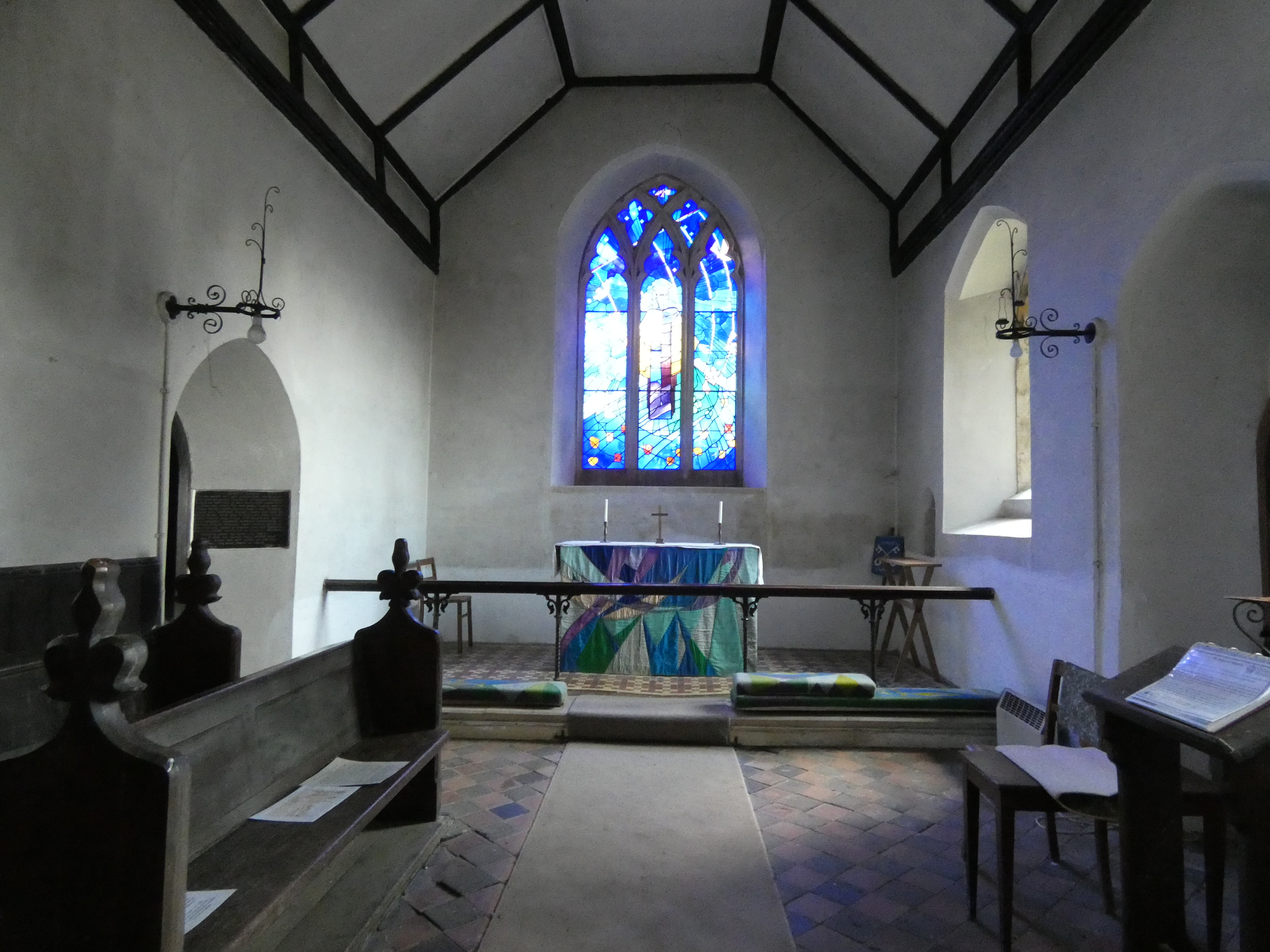
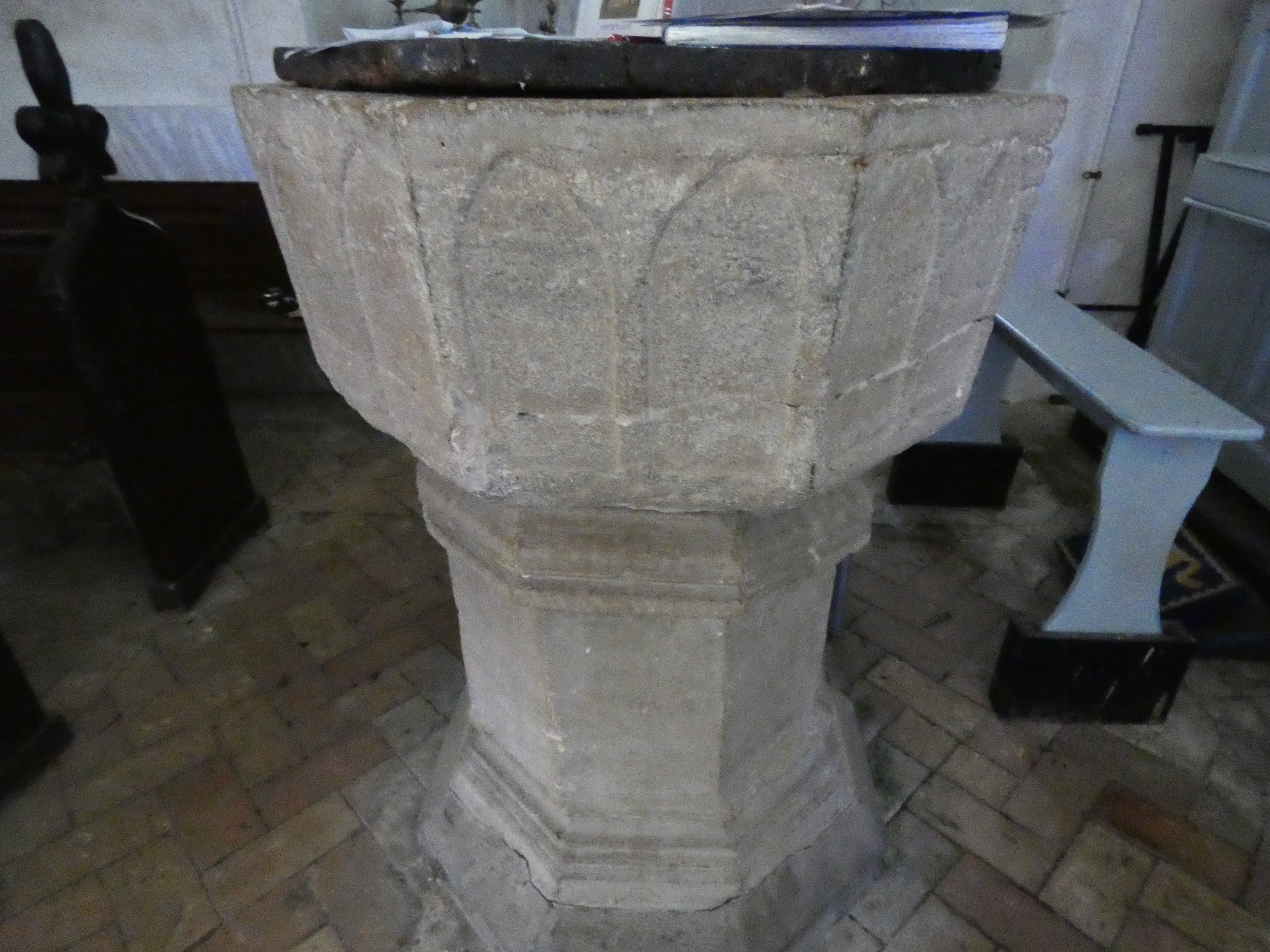
St Peter’s church is set back from the The Street just on the outskirts of the village. It is a small church, as are a lot of the Suffolk village churches. Chillesford was recorded in the Domeday Book as Cesfortda and there has been a church on the site since the 11th Century but the present church was constructed in the 14th Century. The interior was renovated over the centuries, mainly in the 19th. It has a tower made of coralline crag and is one of only two churches in England made of this. The other being in Wantisden which is just down the road.
Henry and Martha Fox grave is far right
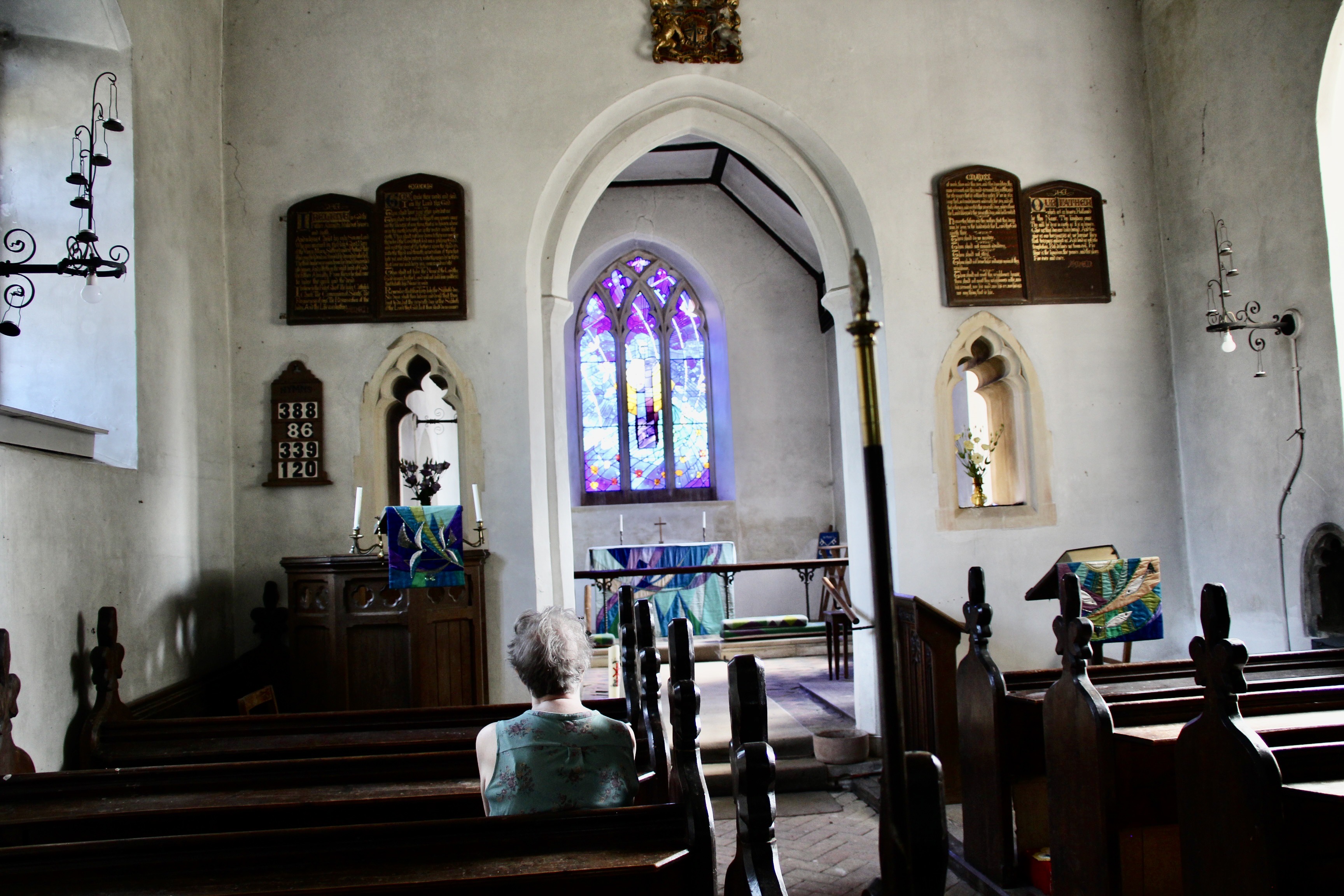
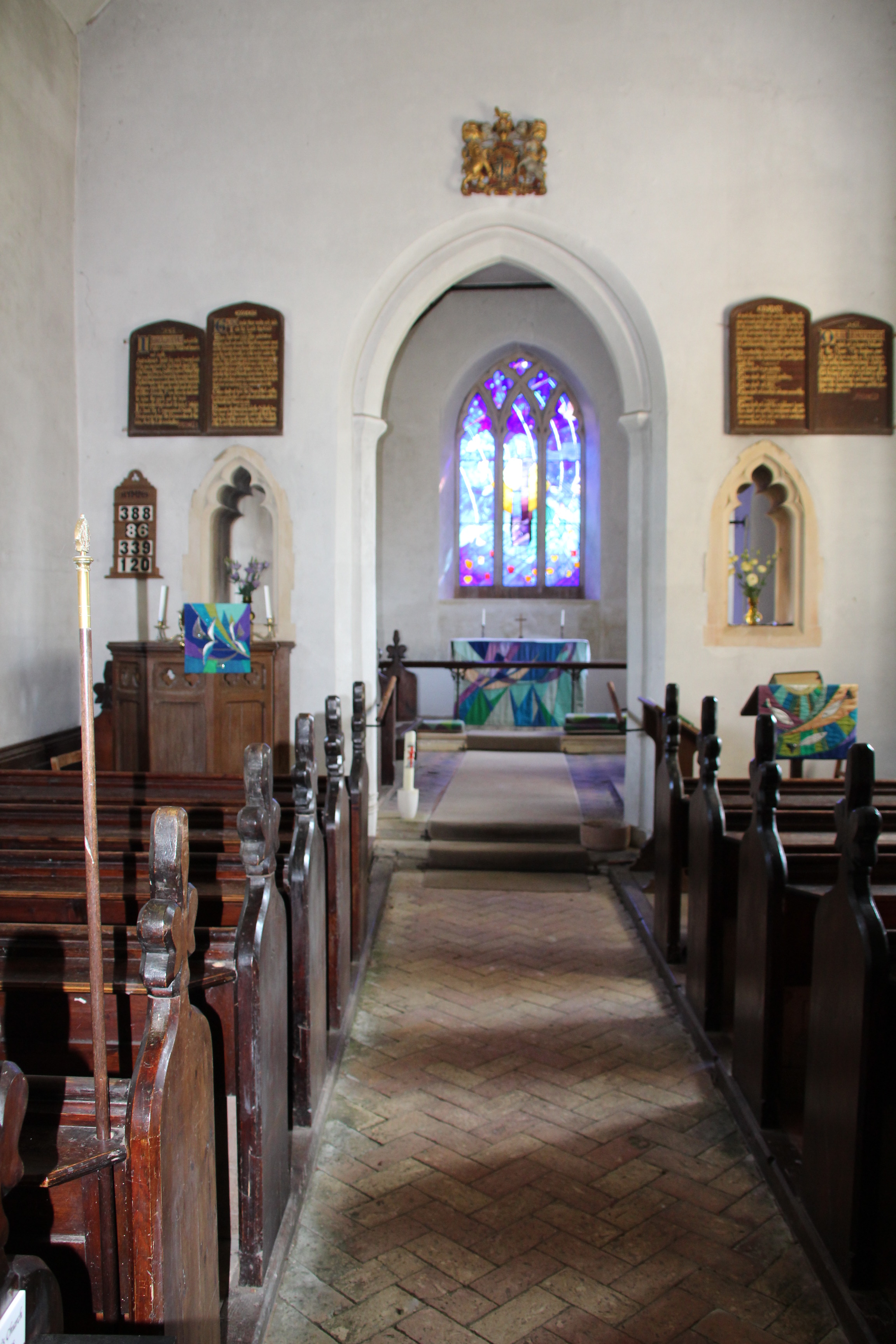
The interior is lovely and peaceful. I sat in one of the pews thinking about my relaives being baptised, married and buried here. It was a strange feeling but very peaceful.
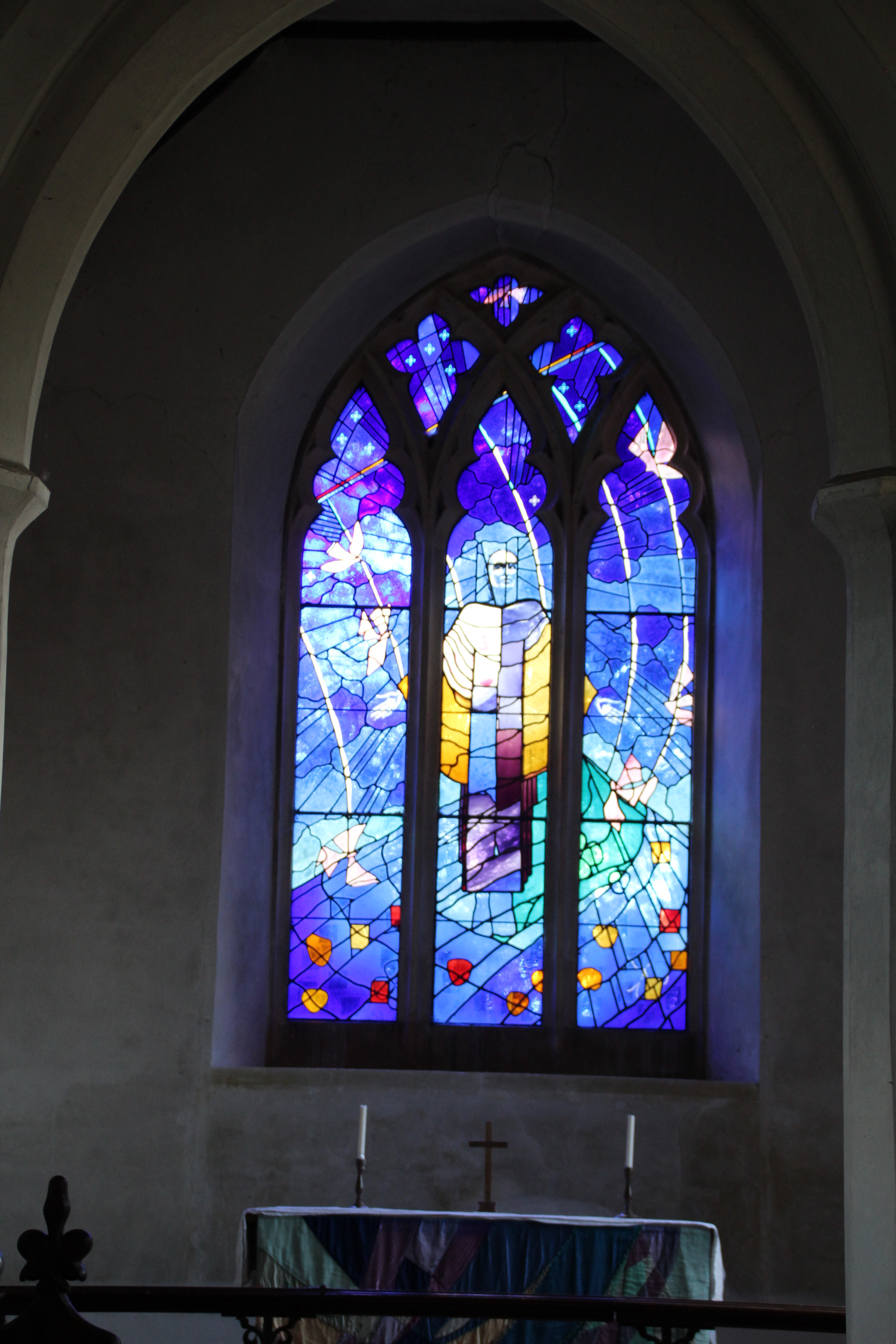
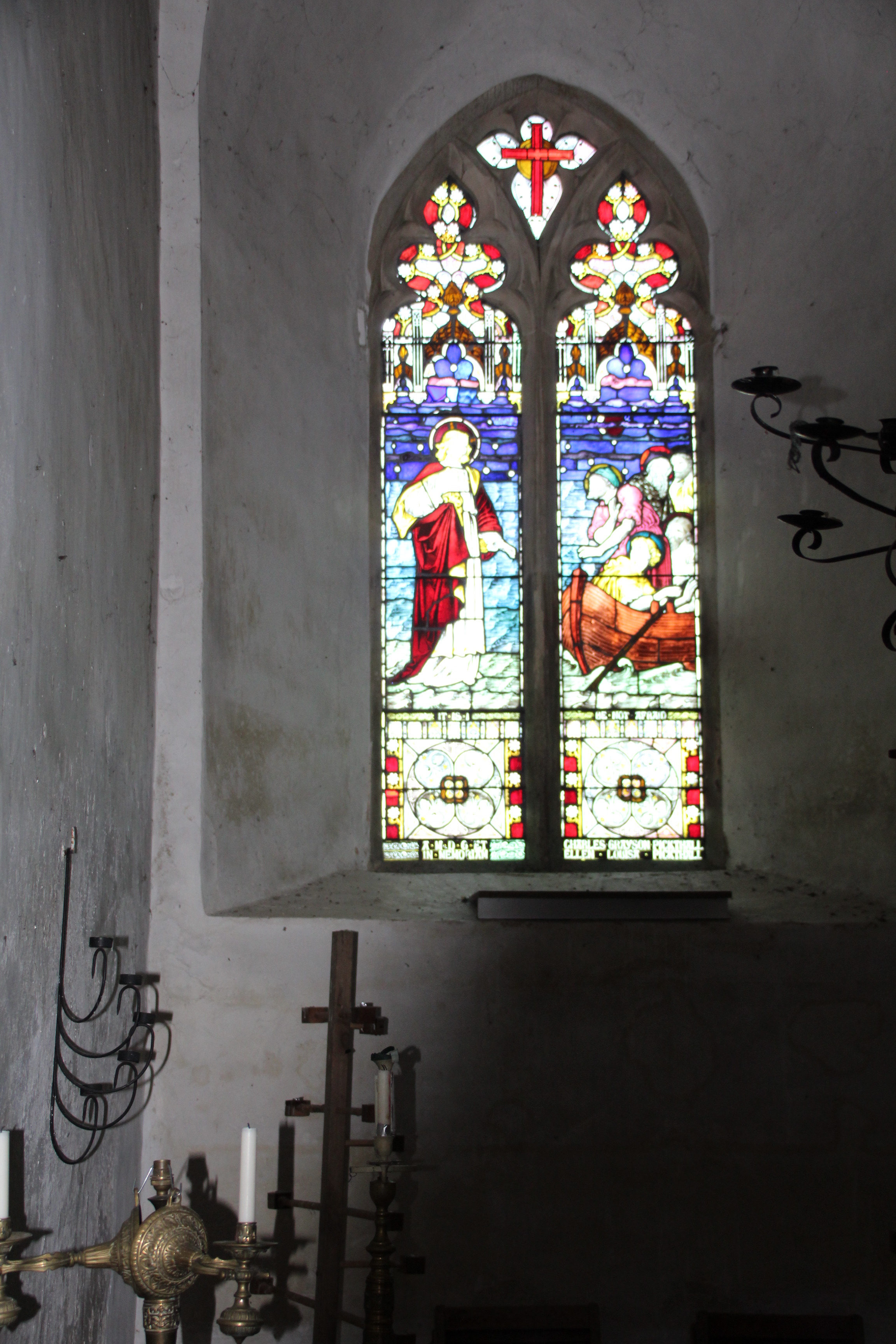
The main feature of the interior is the window above the altar, depicting a risen Christ above meadows and fields by the artist Surinder Warboys which dates from 1990. Apparently it replaced an 19th century window by Christopher Gibbs depicting gospel scenes which was destroyed. The other window features Christ walks on Water by Edward Frampton (1865).
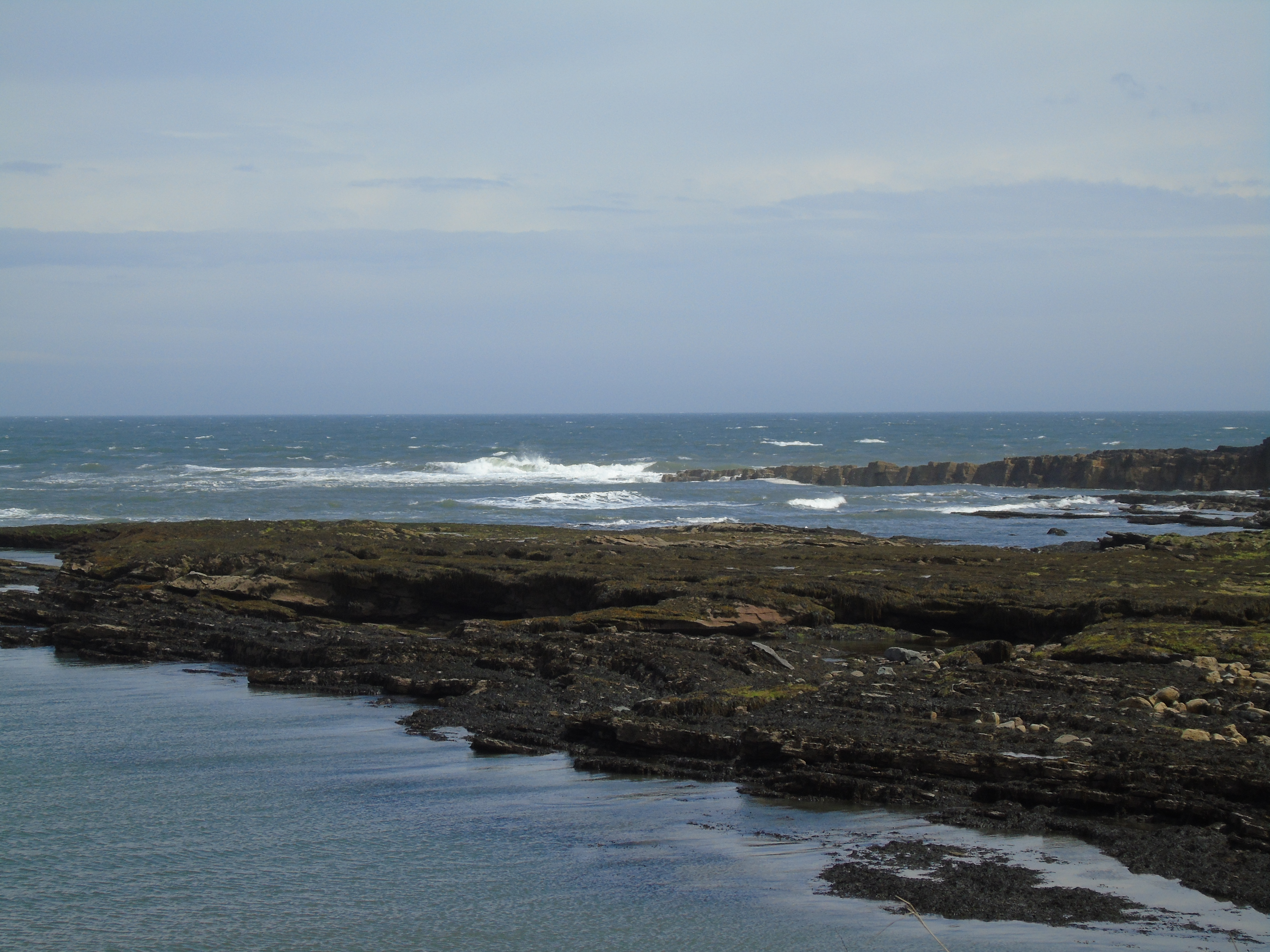
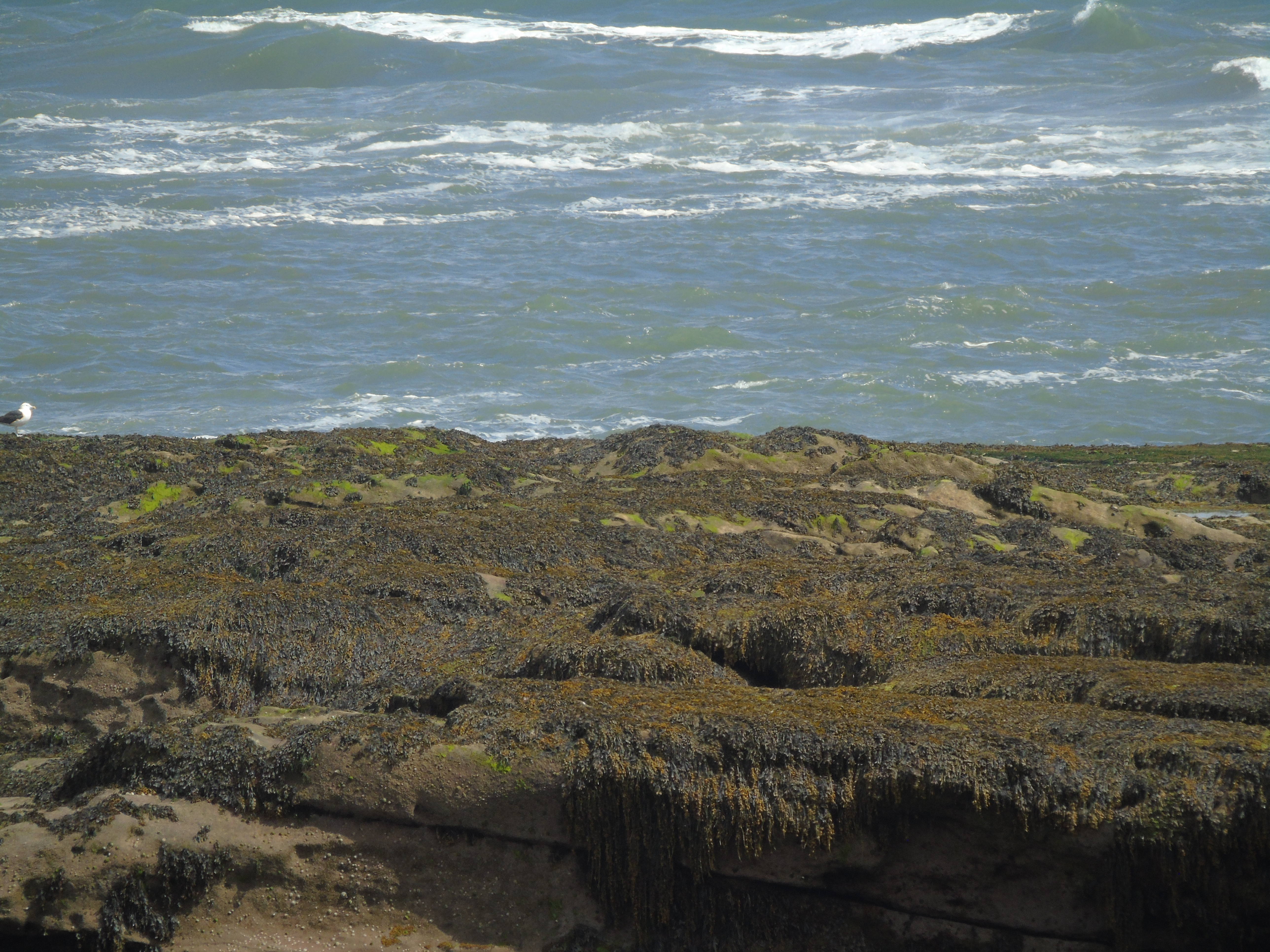
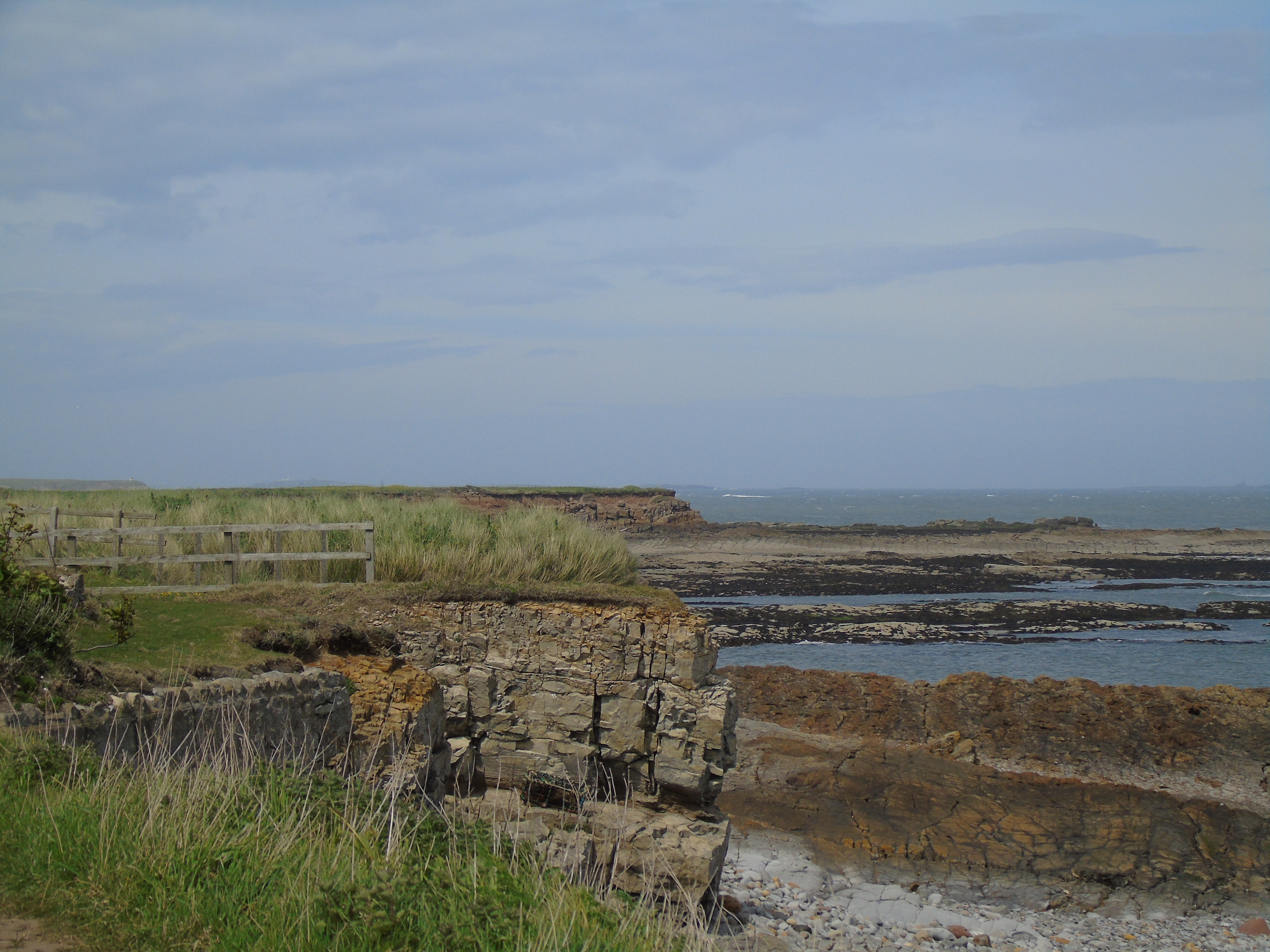
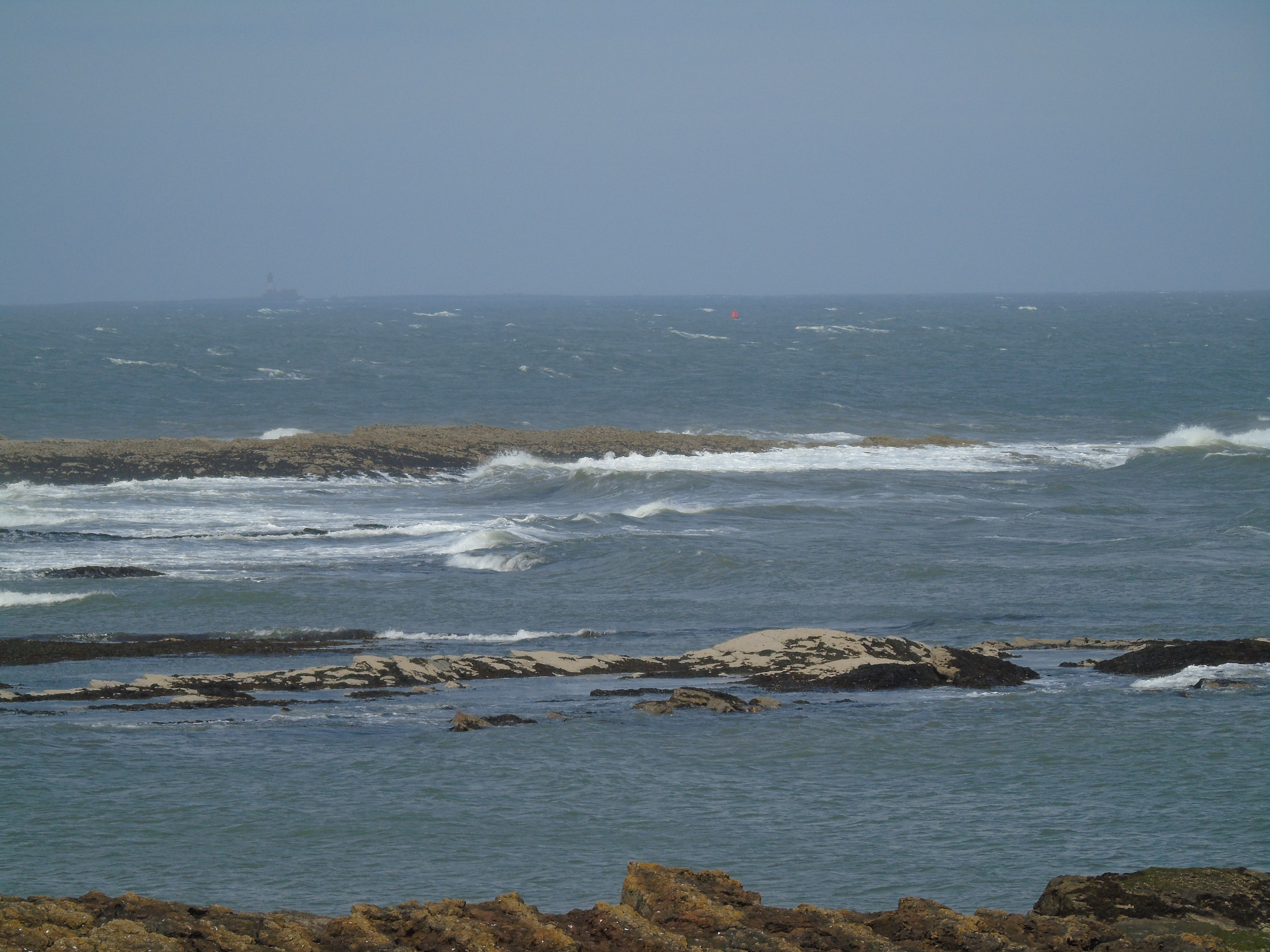
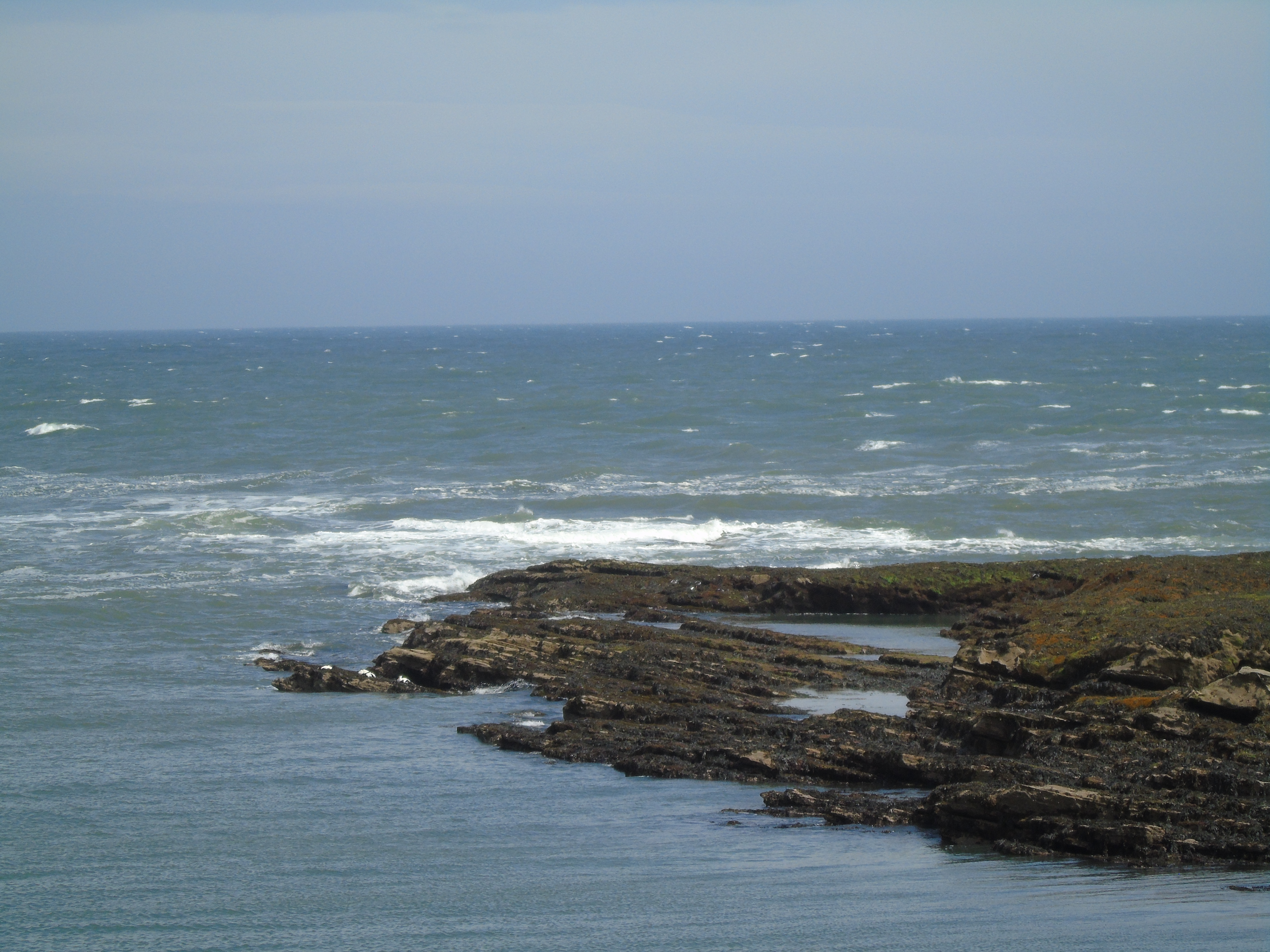
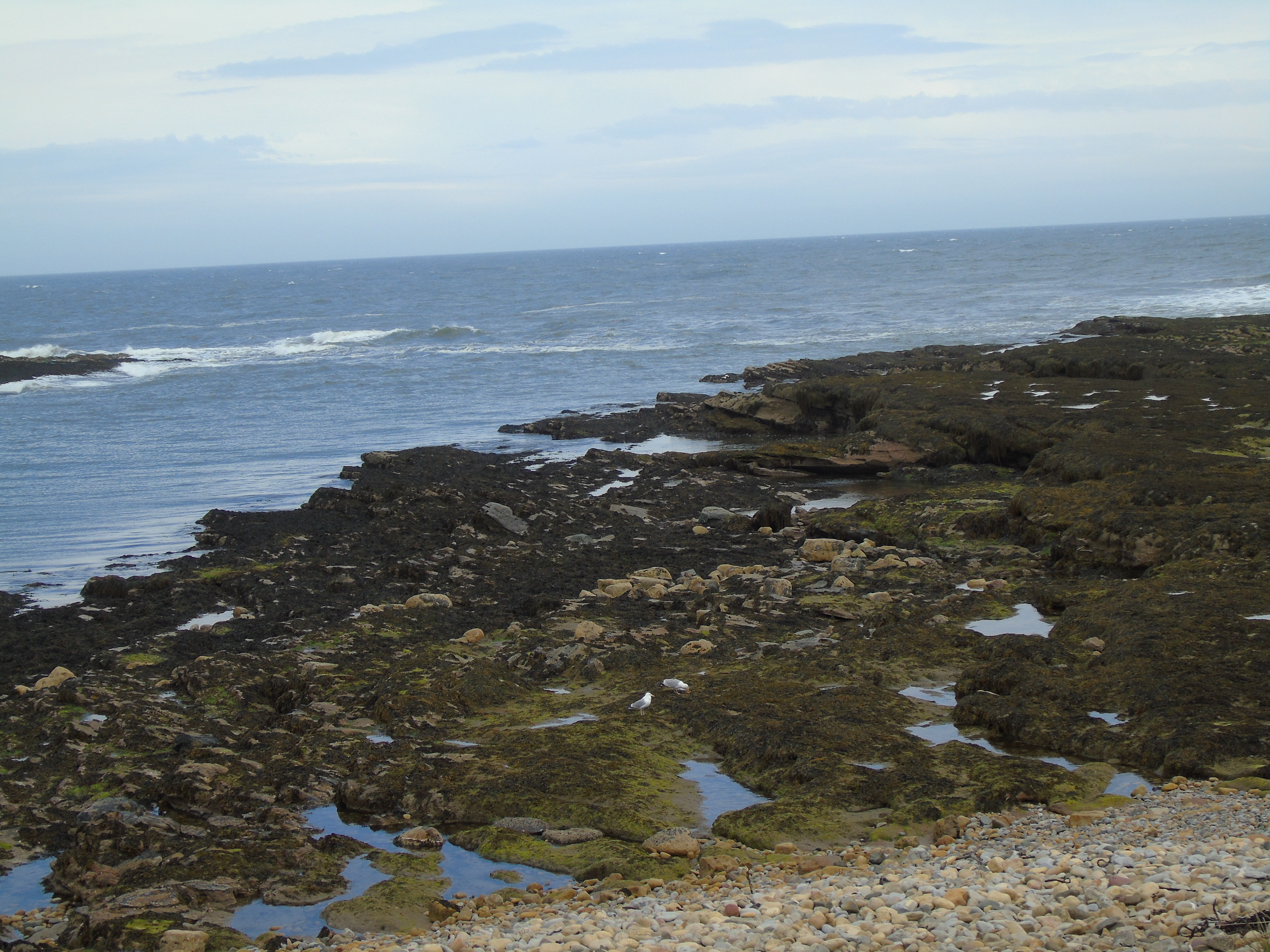
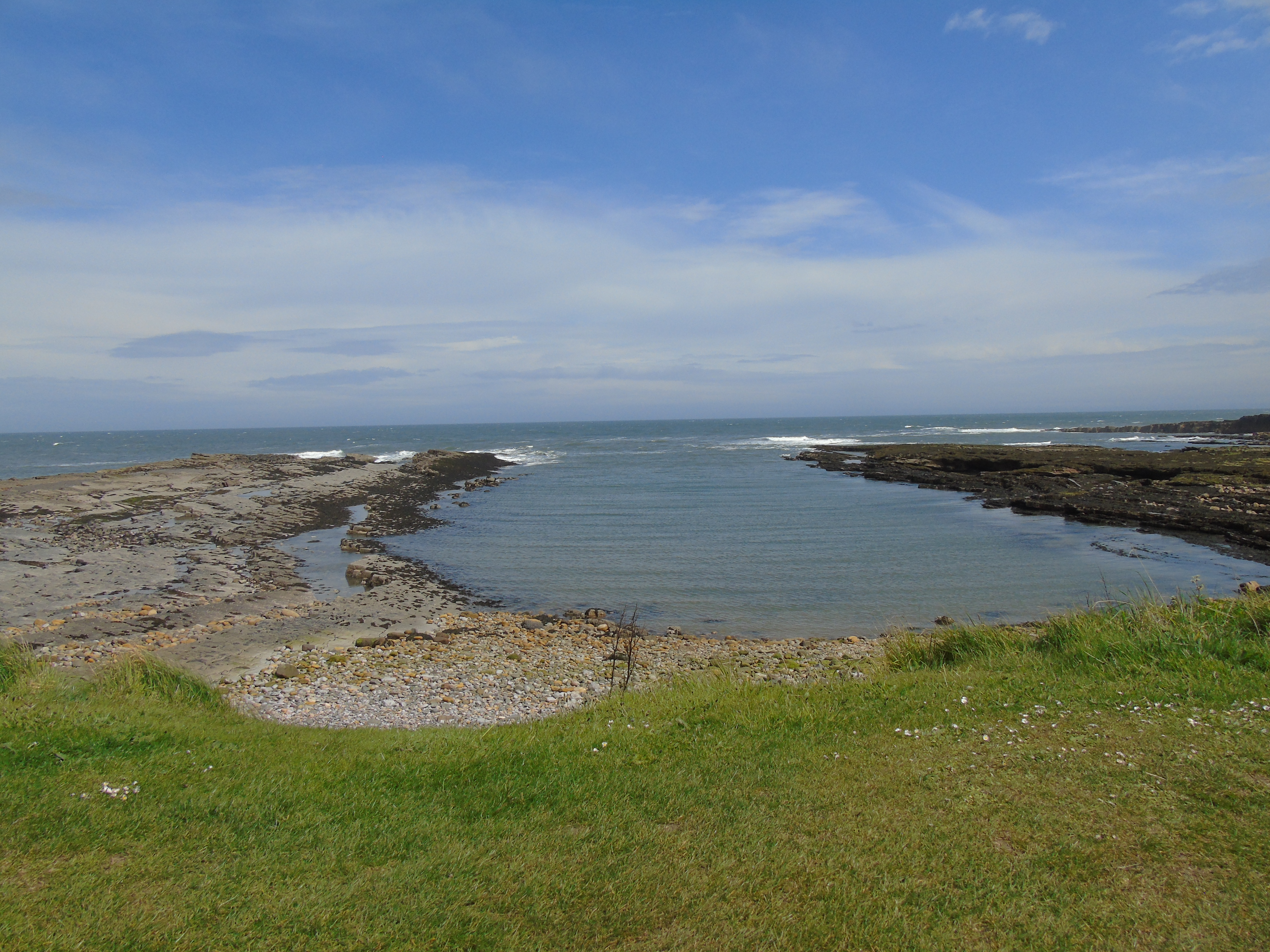
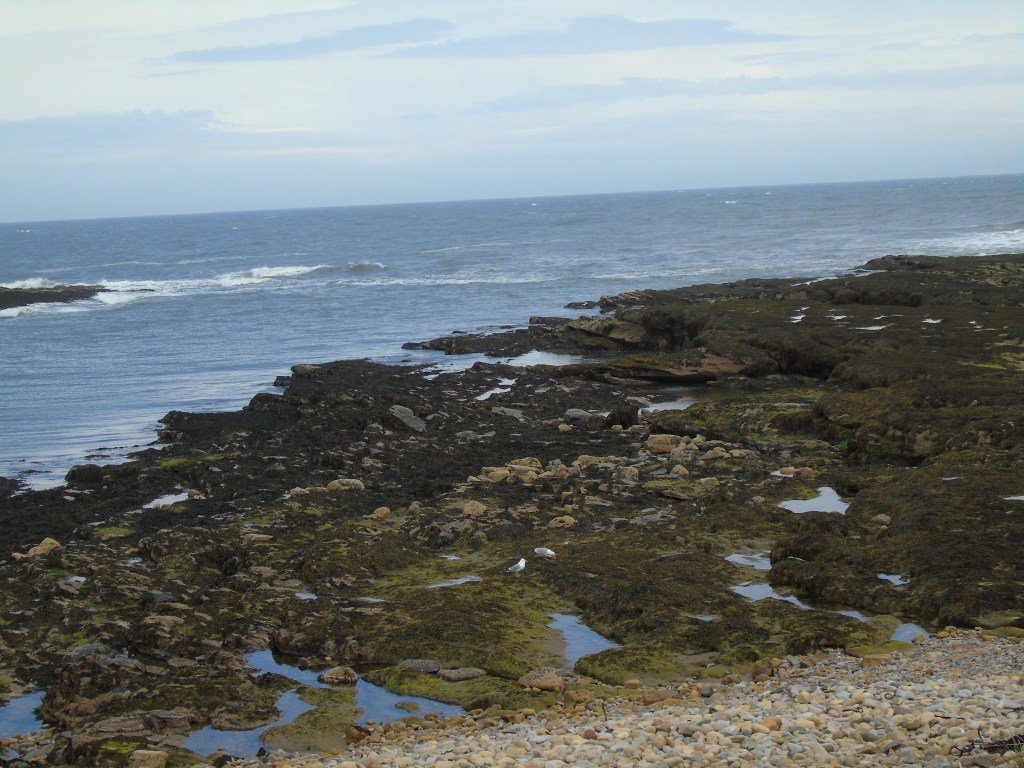
The area at the bottom end of Harbour Road is my favourite place in Beadnell. I like the Bay and Harbour but there is something so relaxing about watching the waves on the rocks. I could sit there for hours just relaxing. Even in wet and windy weather, which we did have one day, it is still a lovely place to be.
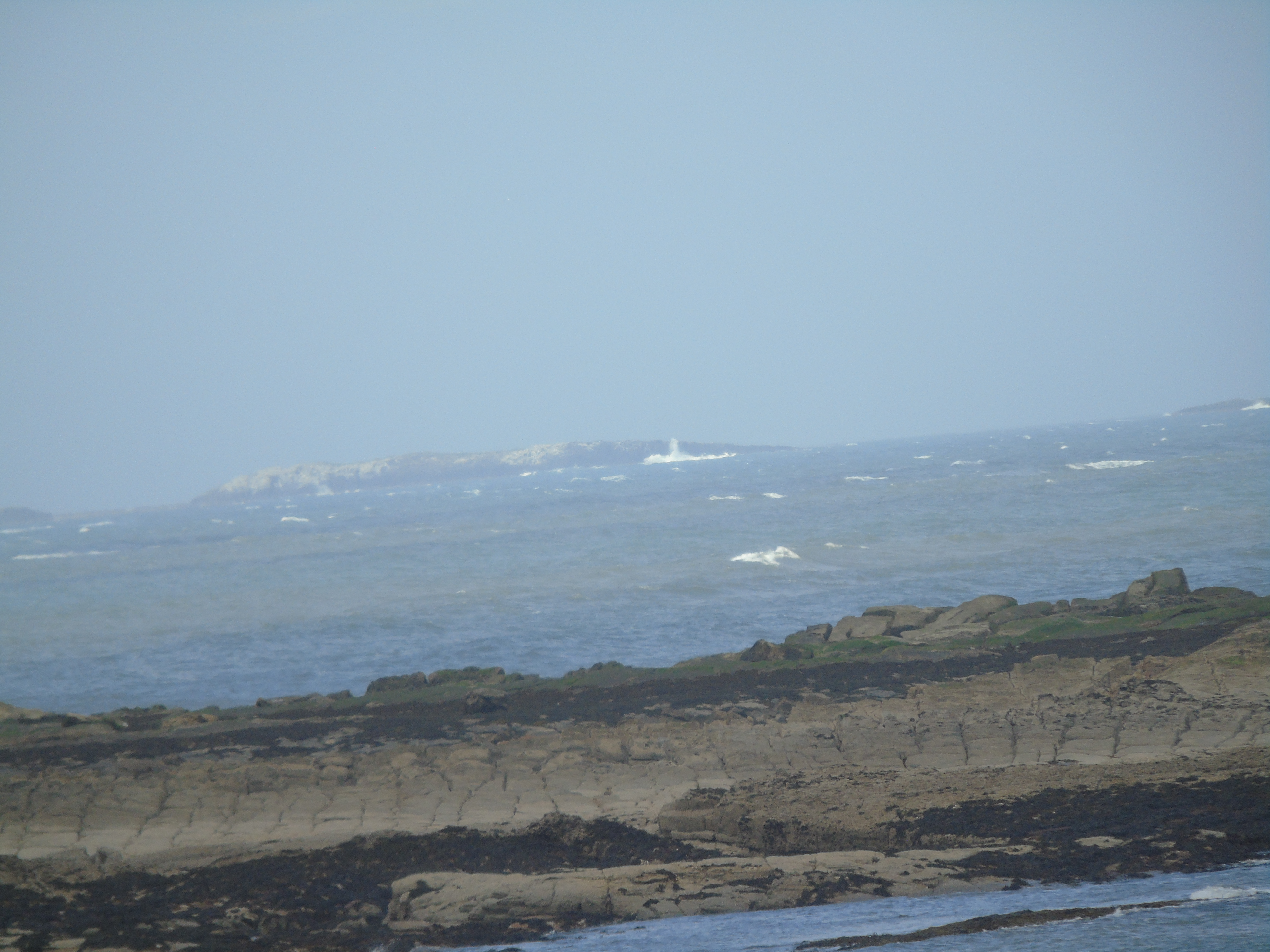
This beach in this area is pebbles and there are rocks and rock pools where the sea ebbs and flows with the tide. You can walk to Seahouses along the beach and can see the Farne Islands in the distance.
Below is a short video of the area.
Some photographs
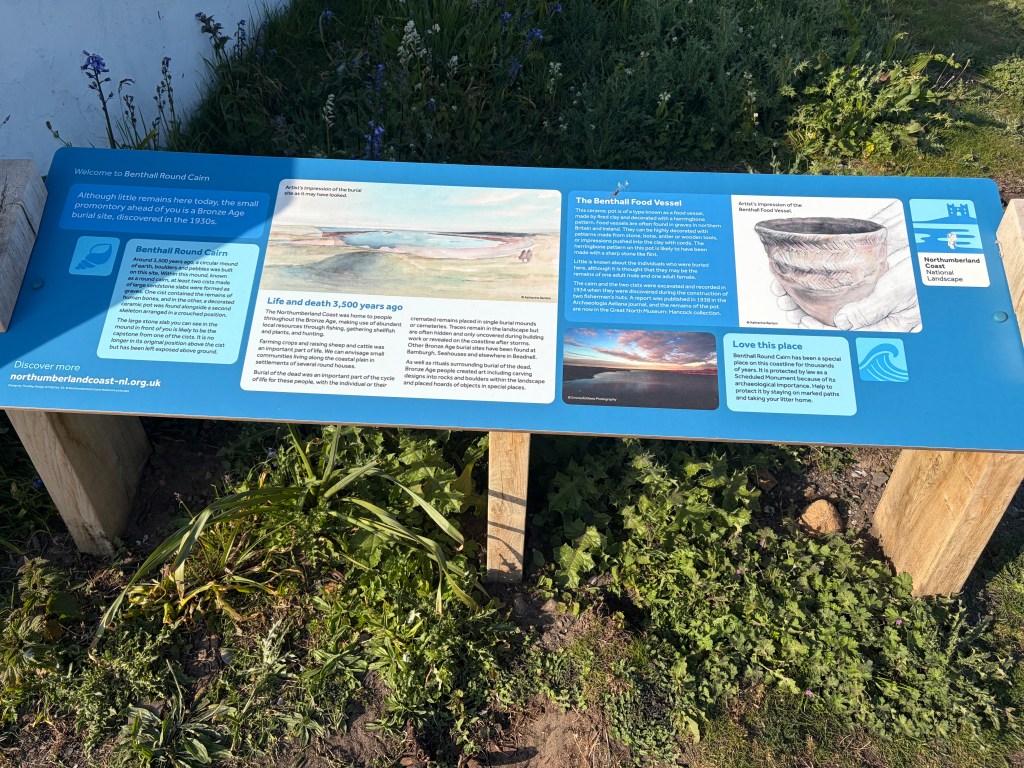
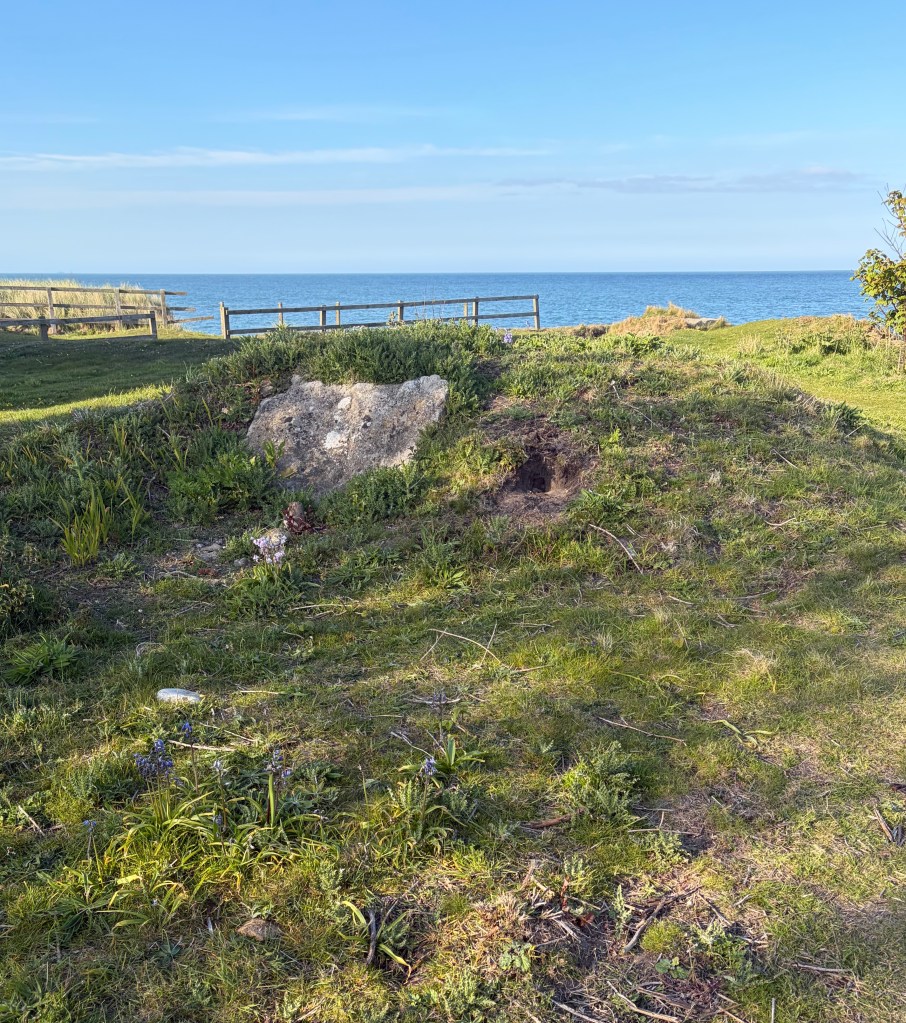
There is also a Cairn which has recently been discovered:
In May we went to Beadnell in Northumberland. This is a place we have stayed a few times and it is one of my favourite places in the country. It is a former fishing village on the North Sea, a few miles from Seahouses and Bamburgh Castle.
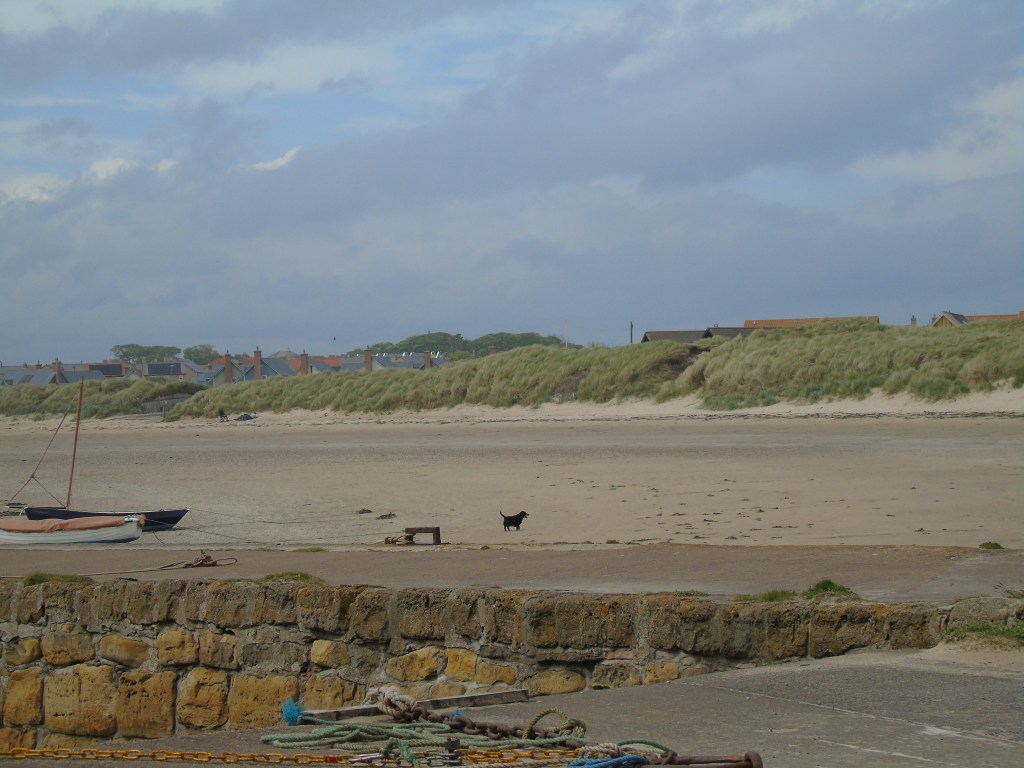
Beadnell seems to be split into three distinct areas, the village itself which is set back from the sea, the coastal area aound Harbour Road which faces Seahouse and the Farne Islands, and the sweeping beach of Beadnell Bay and Harbour. It is strange that the two coastal areas are so different even though they are a few hundred yards apart. Harbour Road is a pebble beach with rocks and rockpools whereas the Bay area is a sandy beach with dunes. The change seems to happen at the harbour wall.
You can walk to Seahouses from Harbour Road along the pebble beach, a distance of about three miles and from Beadnell Bay you can walk to Dunstanburgh Castle which can be seen in the distance. The next couple of places blogs will describe the two areas in more detail but a couple of photos showing the contrast are below
Seascape from Harbour Roaad
Beadnell Bay
We stayed in a fairly modern house on an estate just behind Harbour Road and a five minute walk to the beach so we were handily placed for walking and taking photos. We did not visit the village which is about a ten minute walk from the beach. We had been there on a previous visit and, although very nice, we were happy to concentrate on the coast.
We also went along the coast to Boulmer (apparently pronounced Boomer), Longhoughton, Seahouses and Bambrough (although we did not visit the castle). The next few places blogs will also be about our time there.